Metal Finishing Techniques to Take Your Projects to the Next Level
The final steps of a metal project are often what separate good work from great work. After all the cutting, shaping, and joining, the surface finish determines the piece's final appearance, durability, and performance. Applying the right technique can protect against corrosion, improve electrical conductivity, or simply create a stunning visual effect.
Exploring different finishing methods allows you to elevate your projects, whether you are creating small decorative items or fabricating large structural components. These techniques provide the polish and protection needed to ensure your work stands the test of time.
Preparing the Surface for Finishing
Before you can apply any finish, you must properly prepare the metal surface. This foundational step is critical for achieving a clean, professional result. An unprepared surface can lead to poor adhesion, uneven color, and a finish that fails prematurely.
Cleaning and Degreasing
The first task is to remove all contaminants. Oils, grease, dirt, and other residues from the fabrication process must be completely eliminated. You can use alkaline cleaners or solvent-based degreasers to wash the metal. A thoroughly clean surface ensures that the subsequent finishing layers will bond correctly.
Abrasion and Smoothing
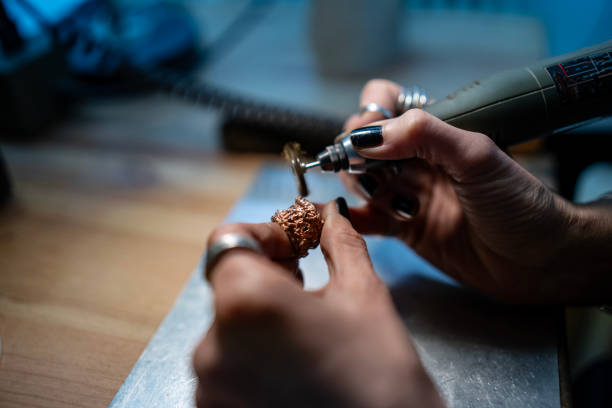
After cleaning, the surface often requires mechanical treatment to smooth out imperfections. This can involve grinding, sanding, or filing to remove burrs, sharp edges, and weld spatter. Using progressively finer grits of sandpaper will create a smooth, uniform surface ready for the finishing application. This step is essential for achieving a high-quality aesthetic.
Common Metal Finishing Methods
Once the surface is prepared, you can choose from a variety of finishing techniques. Each method offers unique benefits in terms of appearance and protection.
Painting and Powder Coating
Painting is a widely used method for adding color and a protective layer to metal. It involves applying liquid paint in one or more coats. Proper priming is crucial for good adhesion and corrosion resistance. It is a versatile and cost-effective option for many applications.
Powder coating offers a more durable alternative to traditional paint. This process involves electrostatically applying a dry powder to the metal part, which is then cured with heat. The heat melts the powder, forming a tough, even skin over the surface. Powder coating is highly resistant to chipping, scratching, and fading, making it ideal for parts exposed to harsh conditions.
Plating Techniques
Plating involves depositing a thin layer of another metal onto the surface of your workpiece. This is done to improve corrosion resistance, enhance appearance, or add specific properties like solderability or hardness.
Electroplating uses an electric current to deposit a layer of metal, such as chrome, nickel, or zinc, onto the part. Electroless plating, on the other hand, achieves this through a chemical reaction without the need for an external power source. Both methods provide excellent surface coverage and a uniform finish. These protective coatings are common on everything from hardware to components used in constructing durable metal roofing in Utah.
Chemical Finishes
You can alter a metal's surface using chemical treatments. These processes create a finish by reacting with the base metal itself.
Bluing, for instance, is a process that provides steel with a blue-black appearance and some minor corrosion resistance. Anodizing is an electrochemical process specifically for aluminum that increases the thickness of the natural oxide layer, improving its resistance to wear and allowing it to be dyed in various colors.
Polishing and Buffing
For projects where you want the natural beauty of the metal to shine through, polishing and buffing are the final steps. Polishing uses abrasives to create a smooth, reflective surface. Buffing follows this step, using a softer cloth wheel and a fine compound to produce a brilliant, mirror-like shine. This method is purely for aesthetics and does not add a protective layer, so it is often combined with a clear coat for durability.
Choosing the right finish depends on your project's goals. By mastering these techniques, you can add professional quality and lasting value to all your metalwork creations.