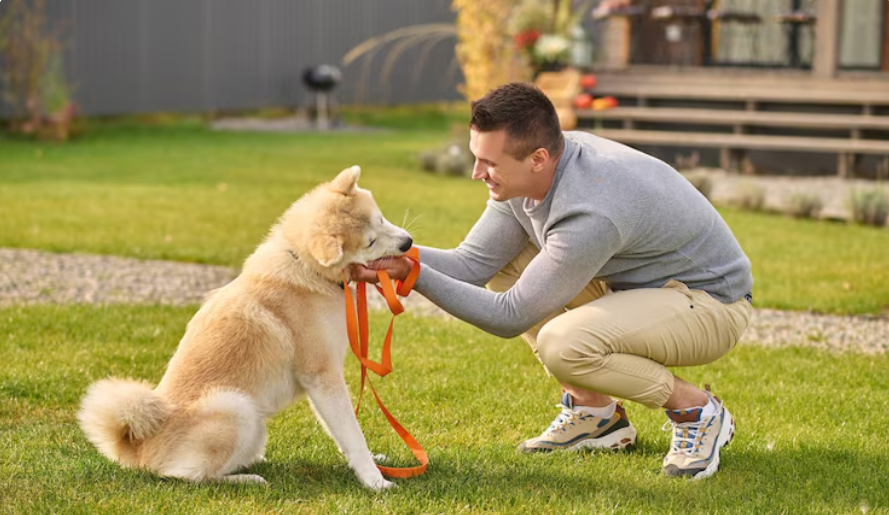
5 Fun Ways to Treat Your Pooch
Does your dog seem a little bored with their usual routine? Many dog owners struggle to find fresh ways to enrich their pets' lives while reinforcing positive behavior at the same time. Treats are one of the simplest tools available to strengthen your bond with your dog, but they work best when you move beyond basic kibble or store-bought biscuits. Whether your dog is a picky eater or thrives on variety, there are numerous creative approaches to making treat time more engaging and rewarding for your furry companion.
1. Prepare Homemade Frozen Treats
Frozen treats offer a refreshing way to reward your dog, especially during warm months when your pet might appreciate something cool and soothing. Making frozen treats at home allows you to control exactly what ingredients go into your dog's snacks, avoiding artificial preservatives and flavors that some dogs might not tolerate well. You can create simple frozen treats by mixing dog-safe ingredients like plain yogurt, peanut butter, or pumpkin puree in ice cube trays or silicone molds, then freezing them for a few hours. Combining mashed banana with plain Greek yogurt and freezing the mixture creates a nutritious treat that many dogs find irresistible. Another popular option involves blending unsweetened applesauce with water or low-sodium broth, pouring the mixture into molds, and allowing it to freeze overnight. These frozen treats not only satisfy your dog's craving for something special but also provide mental stimulation as your dog works to consume them.
2. Use Puzzle Toys and Treat-Dispensing Toys
Interactive toys that require your dog to work for their reward combine play and nutrition in a way that keeps dogs mentally engaged. Puzzle toys come in various difficulty levels, allowing you to choose options that match your dog's problem-solving abilities and experience. You can fill these toys with small treats, kibble, or even a mixture of both, encouraging your dog to roll, push, or manipulate the toy to access the rewards inside. This type of enrichment activity provides far more mental stimulation than simply handing your dog a treat, and it can help reduce boredom and associated behavioral issues. A Kong-style toy stuffed with peanut butter or wet food can keep a dog occupied for an extended period, particularly if you freeze the filling before giving it to your dog. By rotating different puzzle toys throughout the week, you maintain novelty and keep your dog's interest level high.
3. Create Training Treat Routines
Training sessions present ideal opportunities to reward your dog with small, tasty treats while simultaneously teaching new commands or reinforcing existing behaviors. Using treats as training rewards strengthens the association between obedience and positive outcomes, making your dog more eager to follow your instructions. Rather than treating training as a chore, you can make it an enjoyable activity by selecting small, soft treats that your dog can consume quickly without breaking focus. Small pieces of chicken, cheese, or specialized training treats work well because they are easy to chew and do not require lengthy breaks between repetitions. The key is to keep training sessions short, typically five to ten minutes, and to maintain a consistent schedule so your dog begins to anticipate and look forward to these interactions. This approach simultaneously addresses your dog's desire for treats and their need for mental stimulation through learning and interaction with you.
4. Explore Seasonal and Themed Treats
Incorporating seasonal treats into your dog's routine adds variety and keeps treat time feeling fresh and exciting throughout the year. During fall and winter, many dogs enjoy warm, broth-based treats or treats made with dog-safe seasonal ingredients like sweet potato and cinnamon. Spring and summer offer opportunities to experiment with lighter options, such as treats featuring berries, watermelon, or other fruits that are safe for canine consumption. Summer watermelon treats can be made by pureeing seedless watermelon and freezing it in small portions, creating a hydrating snack that many dogs find refreshing. When celebrating a milestone like your pet's adoption anniversary or a special occasion, ordering a dog birthday cake from a dedicated bakery ensures your dog enjoys a festive, specially crafted treat made with canine-safe ingredients. By changing treats seasonally, you give your dog novel flavors and textures while showing that you are attentive to their preferences and comfort throughout the year.
5. Implement the "Surprise Treat" Strategy
Unpredictable treat rewards can create positive anticipation and strengthen your dog's emotional bond with you. Rather than following a fixed schedule, occasionally surprising your dog with an unexpected treat during regular activities helps maintain excitement and engagement. This might mean rewarding your dog with a special snack during a regular walk, or offering a treat spontaneously when they have been displaying particularly good behavior without being asked. The element of surprise triggers a stronger positive response in many dogs than anticipated treats do, making this approach psychologically rewarding for your pet. If your dog sits calmly while you are working from home or waits patiently while you prepare dinner, a timely treat reward reinforces that quiet behavior is valued and appreciated. This method also strengthens your relationship by making moments of connection feel special and rewarding for both you and your dog.
Conclusion
Treating your dog need not be a monotonous part of your daily routine. By exploring frozen treats, puzzle toys, training opportunities, seasonal options, and surprise rewards, you create a more enriched life for your dog while deepening the bond you share. Each of these approaches offers distinct benefits, from mental stimulation to physical satisfaction to emotional connection. The most effective treat strategies involve mixing and matching these methods based on your dog's individual personality, preferences, and needs. Whether your goal is to improve training outcomes, provide entertainment, or simply show affection, thoughtful treat choices demonstrate genuine care for your dog's overall wellbeing and happiness.