Landlord Maintenance Guide for Smoke and Carbon Monoxide Detectors
Ensuring the safety of rental properties is paramount for landlords. Among the essential responsibilities is the installation and maintenance of smoke and carbon monoxide detectors. These devices are crucial in preventing potentially fatal accidents and ensuring tenant safety. In this guide, we'll explore the key responsibilities and requirements for landlords regarding these lifesaving tools.
Understanding Smoke and Carbon Monoxide Detectors
What are Smoke Detectors?
Smoke detectors are devices that alert occupants to the presence of smoke, often indicating the start of a fire. They are vital as early warning systems, giving tenants valuable time to evacuate. According to the National Fire Prevention Association, 38% of home fire deaths occur in homes without smoke detectors, underscoring the importance of these devices. You must take into consideration smoke detector and carbon monoxide detector requirements.
The Importance of Carbon Monoxide Detectors
Carbon monoxide (CO) is a colorless, odorless gas that can be lethal. CO detectors alert tenants to its presence, providing critical time to evacuate and seek help. The Centers for Disease Control and Prevention reports that over 100,000 people visit the emergency room annually for CO poisoning, with over 400 fatalities each year. Installing these detectors is not just a recommendation but often a legal necessity in many states.
Responsibilities for Landlords
Installing and Maintaining Detectors
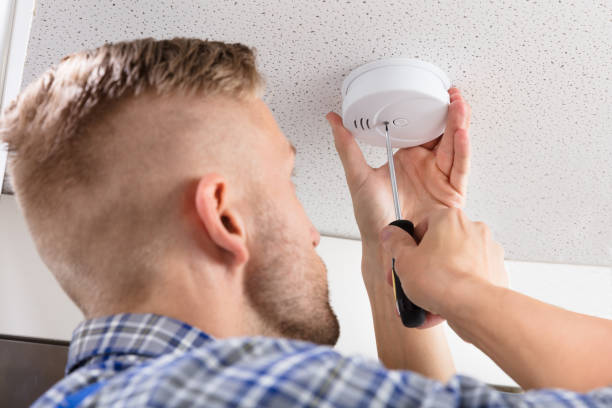
Landlords are generally responsible for installing smoke and carbon monoxide detectors in rental properties. This involves:
- Purchasing and installing detectors on every level of the house, near bedrooms, and in high-risk areas like garages.
- Ensuring the devices are working properly, with regular inspections.
- Replacing detectors every 10 years to ensure accuracy and reliability.
Tenant Responsibilities
While landlords handle installation, tenants usually have duties regarding maintenance:
- Replacing batteries every six months.
- Regularly testing detectors to ensure they're functional.
- Avoiding tampering with detectors, as it is illegal and dangerous.
Carbon Monoxide Detector Requirements
All landlords should abide by carbon monoxide detector requirements.
Do Apartments have Carbon Monoxide Detectors?
So, do apartments have carbon monoxide detectors? The requirement for CO detectors can vary by state and building type. In many states, they are mandatory in apartments, especially if there are potential CO sources like gas appliances or attached garages.
How Many Carbon Monoxide Detectors Do I Need?
So, how many carbon monoxide detectors do I need? The number of detectors required depends on the size and layout of the property:
- Install at least one detector per level.
- Place them near sleeping areas.
- Consider additional detectors near potential CO sources.
Best Practices for Landlords
To maintain compliance and ensure tenant safety, landlords should:
- Schedule regular inspections and tests of all detectors.
- Educate tenants on the importance and maintenance of these devices.
- Keep detailed records of all installations, checks, and tenant communications.
Conclusion
Smoke and carbon monoxide detectors are not just legal requirements but vital safety measures. By understanding and fulfilling your responsibilities as a landlord, you safeguard your tenants' lives and protect your property. Make a habit of regular checks and stay informed about your state’s laws to maintain a safe living environment.
Keep your rental properties safe and compliant—your tenants depend on it.