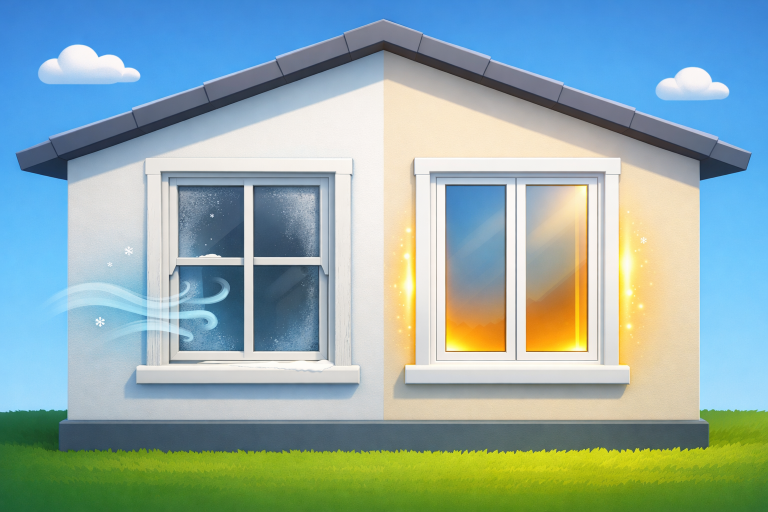
How Modern Window Technologies Improve Home Energy Efficiency
Enhancing energy efficiency in your home offers not only immediate savings on utility bills but also long-term environmental benefits. One of the best ways to achieve this is by investing in upgraded windows featuring the latest advancements in insulation and design. Early adopters of residential window replacement often see dramatic improvements in comfort and reductions in household energy use.
Many older windows are ill-equipped to stand up to today’s standards. Drafty frames, poorly insulated glass, and outdated seals let in unnecessary heat during summer and cold during winter. Modern window solutions block these unwanted temperature shifts, helping regulate indoor conditions and maintain greater year-round comfort with less reliance on heating and cooling systems.
Why Upgrade Your Windows?
Windows do more than let in natural light; they form a crucial barrier between the indoors and outdoors. According to the U.S. Department of Energy, 25% to 30% of residential heating and cooling energy use is lost through windows. By upgrading to more efficient windows, homeowners can drastically reduce this loss, which translates into both lower monthly energy bills and reduced environmental impact.
Older windows struggle to offer insulation compared to newer models, leading to uncomfortable drafts or unwanted heat. With new technologies, such as better-insulated glass and advanced frame materials, modern windows help sustain a steady indoor temperature, increase year-round comfort, and enhance property values.
Understanding Window Energy Efficiency
There are key measurements to help understand how effective a window is at saving energy. Recognizing these terms helps homeowners make informed decisions when comparing window options.
- U-Factor: This value measures the rate of heat transfer—how much heat can escape from inside to outside. Lower U-factor numbers mean better insulation and less heat loss during winter.
- Solar Heat Gain Coefficient (SHGC): This coefficient indicates how much solar heat gets through the window glass. Lower SHGC values result in less unwanted heat entering during summer, helping keep your home cooler.
- Energy Star Certification: Windows with the Energy Star label have passed rigorous efficiency standards set by the U.S. Environmental Protection Agency. Choosing these products ensures strong performance and energy savings.
Types of Energy-Efficient Windows
The newest window technologies are designed to make buildings more efficient and comfortable. Here are the features that set modern energy-efficient windows apart:
- Double or Triple Glazing: These windows feature two or three panes of glass separated by air or inert gas, which acts as an insulator to reduce heat transfer and noise.
- Low-E Coatings: Low-emissivity (Low-E) coatings are microscopically thin layers applied to glass surfaces, reflecting infrared energy while allowing natural light inside. This reduces heat loss in winter and heat gain in summer.
- Insulated Frames: New frame materials such as vinyl, fiberglass, or composites contain insulation properties absent in older aluminum frames. These choices further improve energy savings by reducing thermal bridging.
Additional Window Treatments
Window upgrades go hand-in-hand with treatments that boost efficiency without the need for full replacement. These options can enhance or supplement your home’s energy-saving strategies:
- Cellular Shades: Known for their honeycomb design, these shades trap air and significantly reduce heat loss. According to the U.S. Department of Energy, they can reduce heat loss through windows by up to 40 percent during the heating season.
- Thermal Curtains: Made from dense, insulating fabrics, these curtains effectively block drafts and cold air.
- Window Films: These thin films can be applied directly to window glass to block harmful UV rays, reduce solar heat gain, and protect furnishings from sun damage.
Costs and Return on Investment
While energy-efficient windows often have higher upfront costs than standard models, the investment typically pays off. Homeowners recoup an average of 70 to 85 percent of the window replacement expense if they sell the home, according to HGTV. Additionally, annual energy savings can average up to 13 percent, with greater savings possible in homes with especially old or inefficient windows.
Choosing the Right Windows for Your Home
Selecting the best windows for your needs requires considering multiple factors: local climate, your home's design, and your available budget. Energy efficiency also depends on window orientation and placement. Consulting a professional installer will help ensure you select products and features that are optimal for your home’s unique specifications.
Installation and Maintenance Tips
Proper installation is key for maximizing your investment in new windows. Certified professionals follow best practices that seal out drafts and prevent leaks, preserving the integrity of the window’s efficiency ratings. Regular care, such as checking weatherstripping and keeping tracks clear, helps extend product life and sustain peak energy savings.
Conclusion
Investing in modern, energy-efficient windows is among the most impactful decisions you can make for your home's comfort and sustainability. With diligent selection and proper care, you will not only enjoy lower energy bills but also a more pleasant living environment and a higher property value for years to come.