Finding Voice After Harm: Where Creative Expression Meets Legal Advocacy
When someone is hurt in an accident, injury or crime; their recovery involves much more than physical damage.
The emotional scarring can be just as painful and traumatizing. Many victims are left feeling voiceless. Unable to explain:
How they were harmed.
Why it changed them.
What they need to recover.
There's only so much that money can fix. But as someone learning how to heal from personal injury trauma, finding your voice again is important for both emotional recovery and legal redress.
So how do creative expression and legal advocacy work together to help survivors heal?
They both aim to restore your voice. Here's how.
Table of Truth:
- Why Personal Injury Victims Often Feel Voiceless
- Creativity and Recovery Go Hand In Hand
- Let Legal Advocacy Do The Heavy Lifting
- Practical Tips To Find Your Voice Again
Why Personal Injury Victims Often Feel Voiceless
When you experience trauma, your ability to communicate what happened to you can be taken away.
Beyond the science that proves how trauma affects language centers in the brain:
It creates countless issues for survivors seeking personal injury compensation.
If you can't effectively communicate the full extent of your injuries to insurance companies and courts; you're already at a disadvantage. But having a knowledgeable injury lawyer in tampa fl can help you navigate this challenge.
Consider this:
- Over 6,500 car accident injuries occur every day.
- Injury-related mental health and financial losses equaled $1.2 trillion in 2021 alone.
- Most accident victims don't even know what compensation they're entitled to.
Traumatic injuries take your voice away in more ways than one.
The legal process forces survivors to re-tell what happened to them over and over again. Depositions. Doctor's visits. Court hearings. Each session requires you to dive back into pain and relive your trauma.
This can seriously hinder your case.
Survivors who struggle to communicate their trauma during these crucial conversations often settle for far less than they deserve… or give up on their claims altogether.
Creativity and Recovery Go Hand In Hand
Creative healing gives you a voice when you feel you have none.
If you've ever heard the saying "When words fail, let your art speak," it rings true for trauma survivors.
Studies have found that upward of 30% of patients who suffer from trauma don't respond to traditional talk therapy. And for good reason. If you struggle to find the words to explain what happened, how can you begin to heal?
Creative expression works alongside traditional therapy to give survivors a voice.
Painting, writing, music, and movement allow survivors to express nonverbal memories and experiences.
The sights. Smells. Emotions. These nonverbal memories get trapped in your body and mind after trauma.
Creative activities allow you to take those feelings and express them onto paper or into a melody.
Beyond giving survivors a voice to tell their story, art therapy can:
- Help you feel more comfortable sharing emotions
- Improve your overall well-being
- Reduce stress levels
- Restore your sense of control
- Help process memories and thoughts
I've read many stories from personal injury survivors who started journaling about their experiences. Not only did it help them heal, but it also helped them during legal conversations.
They had already practiced telling their story multiple times through writing. So when it came time to meet with their attorney or speak in court, they were ready.
Let Legal Advocacy Do The Heavy Lifting
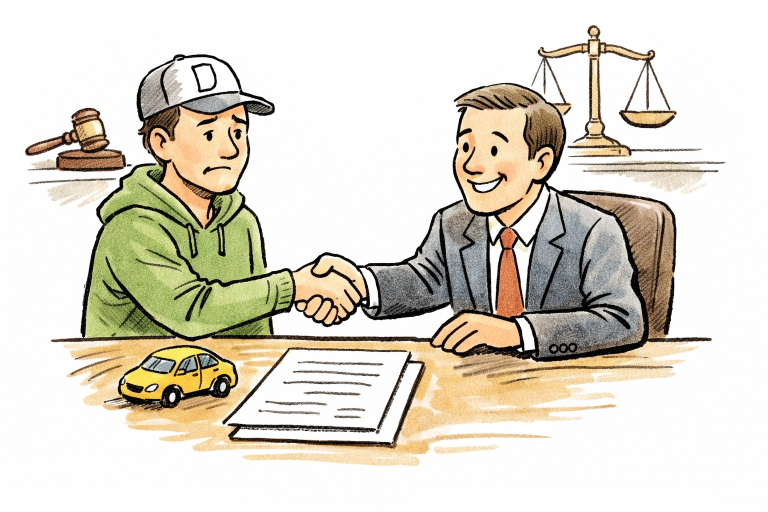
Your personal injury attorney is your voice.
We've already covered how trauma can leave you feeling voiceless. But your legal advocate:
Speaks for you.
Think about every doctor you've visited. Every worker's comp specialist you've had to call. Insurance companies are experts at minimizing your pain.
They don't want to pay claims.
Your attorney does everything they can to combat oversimplified language that undermines your experience. They'll help you identify:
Medical documentation to support your injuries
- Pain and suffering
- Daily hardships you face
- Even compensation for damage that's difficult to quantify
According to Nolo's research, only about 51% of individuals who represent themselves in court end up receiving a settlement payout. But that number jumps to 91% when you have an experienced attorney on your side.
That's almost double your chances of being heard.
Why?
Because your attorney knows how to take everything you're feeling and translate that into a language that courts can understand.
Working with an injury lawyer doesn't just increase your chances of winning your case.
A good lawyer will sit down and listen to you. They won't judge you for sharing your story. They know the trauma you've been through and will work with you at your pace.
Creative expression can help you sort through trauma and prepare to heal.
But your attorney takes that healing and fights for you while you focus on taking back your life.
Practical Tips To Find Your Voice Again
Creative healing happens as you learn how to recover from trauma.
Legal advocacy works in tandem with those efforts to ensure you're heard.
You don't have to choose one over the other.
Here are some ways to start putting your story together.
Journaling can be a great way to document your physical injuries, emotional trauma, and day-to-day struggles.
If you're struggling to find the words, try other forms of creative expression. Paint how you feel. Draw what the pain looks like. Listen to music that mirrors your emotions or write your own songs.
Surround yourself with others who will help you heal:
Doctors, therapists, support groups, attorneys.
You don't have to suffer in silence. When you choose to heal from your injuries using creative outlets, let your attorney in on your journey.
You'd be surprised how a picture paints a thousand words.
Expressing your pain through drawings or writing a detailed description of your nightmares can help build your case.
Anything you create can and will help you recover.
Keep in mind that 95% of personal injury cases settle outside of court. Which means you have the power to negotiate with insurance companies.
By piecing together your story, you give yourself a better chance of recovering max compensation.
Allow creative expression to help you find your voice and work with a legal advocate who will speak on your behalf.
Wrapping Up:
Losing your voice after trauma is disempowering.
It makes you feel weak and defeated. But as a survivor, there are many resources out there to help you heal.
Personal injury compensation is designed to help you get the medical care you need and recover from your injuries. Yes, even the emotional damage you've sustained.
Allow yourself the opportunity to be heard.
Creative expression can help you sort through your trauma and prepare to share your story. Journaling, art therapy, music, dance. All of these tools allow you to find your voice again.
Your attorney is your voicebox.
They take your story and fight for you. No matter what you've been through, they will help you navigate the complex world of insurance companies and courts.
You've been hurt once. Don't let the people who are meant to "help" cause you more damage.
Take your power back by finding your voice.