Bicycle Accident Injuries and Your Rights in Nevada
Key Takeaways
- Bicycle accidents in Nevada often result from driver negligence, poor road conditions, and visibility issues.
- Cyclists have the same rights and responsibilities as motorists under Nevada law.
- Injuries from bicycle crashes can be severe and may require immediate medical attention.
- Knowing what steps to take after an accident can protect your health and legal rights.
- Legal guidance can help cyclists pursue fair compensation and navigate the rules of comparative negligence.
Understanding Bicycle Accidents in Nevada
Bicycling is a popular activity in Nevada, offering a variety of physical and mental health benefits as well as environmentally friendly transportation options. While the joys of cycling are many, cyclists face unique hazards when riding on roads primarily designed for motor vehicles. Awareness and knowledge of local risks and laws can help keep both new and seasoned cyclists safe. If you’re navigating bicycle accident injuries or are concerned about safety, visit blakefriedmanlaw for expert legal counsel tailored to cyclists.
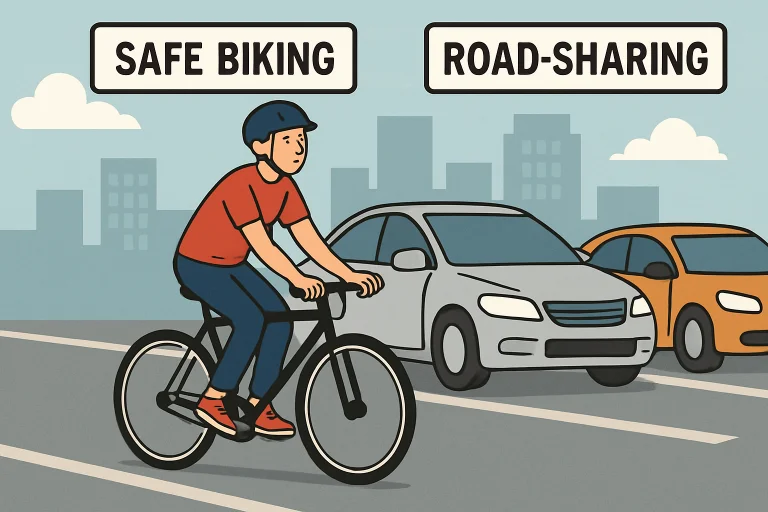
Road-sharing between cyclists and motorists introduces risks that are important to recognize. Accidents often occur when drivers are unaware or inattentive, and the consequences can be severe due to the lack of protection a bicycle provides compared to a car. Preventing these accidents requires diligence from both drivers and cyclists, alongside a clear understanding of Nevada’s traffic laws and cyclists’ rights.
Knowing why bicycle accidents happen, the most commonly sustained injuries, and your rights as a Nevada cyclist can empower you to act decisively after an incident. Moreover, since cyclists have the same rights and responsibilities as vehicle drivers under Nevada law, understanding this parity is crucial for both preventing accidents and ensuring fair treatment in the event of a collision.
Cyclists in Nevada face challenges from traffic congestion, uninformed motorists, and variable infrastructure. Cyclists must stay proactive—using bike lanes, keeping visible, and understanding right-of-way rules—to minimize their vulnerability on city streets and rural roads alike.
Common Causes of Bicycle Accidents
- Driver Negligence: Driver inattention, whether due to distractions, speeding, or failing to yield, is a leading cause of bike accidents.
- Dooring Incidents: Cyclists are often struck when a parked car's door opens unexpectedly into their lane of travel, resulting in sudden, sometimes serious crashes.
- Poor Road Conditions: Issues like potholes, gutter grates, loose gravel, or debris can cause a cyclist to fall or swerve into traffic.
- Limited Visibility: Collisions are more likely to occur at night, in adverse weather conditions, or when obstructions obstruct the view of both drivers and cyclists.
Common Injuries Sustained in Bicycle Accidents
Bicycle accidents can result in a wide spectrum of injuries, some of which may not be immediately apparent. Prompt medical care is crucial even for seemingly minor injuries, as symptoms may develop or worsen over time.
- Traumatic brain injuries and concussions
- Spinal cord damage resulting in lasting mobility issues
- Fractures and broken bones, commonly the wrists, arms, and collarbone
- Soft tissue injuries, including sprains, strains, and severe bruising
- Internal organ injuries and bleeding in high-impact crashes
Nevada Bicycle Laws and Cyclist Rights
Bicycles are legally considered vehicles in Nevada, granting cyclists the same rights and responsibilities as drivers. Cyclists must ride with traffic, adhere to all traffic signals and signage, and use bike lanes where provided. Bikes must also be equipped with functioning front and rear lights and reflectors for night use.
- Always ride in designated bike lanes when available
- Follow the direction of traffic (never against it)
- Stop at all stop signs and red lights
- Equip bikes with appropriate lighting and reflectors
Drivers must leave a minimum distance of three feet when passing a cyclist and always yield and exercise caution around riders. These regulations protect everyone’s safety and clarify liability in the event of a crash.
Steps to Take After a Bicycle Accident
If you’re involved in a bicycle accident, remaining calm and following these steps can help ensure your safety and strengthen any future legal claim:
- Ensure Safety: Move to a safe location and assess yourself for injuries, then move away from further traffic risks.
- Call 911: Report the accident immediately, and request medical evaluation and police documentation.
- Document the Scene: Photograph all vehicles, your bike, the surrounding area, and any visible injuries. Write down or record witness statements and contact details.
- Seek Medical Attention: Cooperate with first responders and get a medical exam, even if you feel fine.
- Consult an Attorney: Legal experts can help ensure you are treated fairly and pursue just compensation for your injuries and losses.
Understanding Comparative Negligence in Nevada
Nevada applies a “modified comparative negligence†rule after an accident. If you are found to be partly at fault, your compensation will be reduced by your percentage of responsibility. However, as long as you are less than 50% at fault, you can still recover damages. Understanding this legal concept is crucial when negotiating with insurance companies or pursuing legal action.
Seeking Legal Assistance
Working with an experienced personal injury attorney who understands both traffic law and bicycle-specific claims can make a significant difference. A legal professional can gather evidence, negotiate with insurers, and represent you in court if a settlement cannot be reached. Compensation may cover medical bills, lost income, pain and suffering, and property damage, helping you recover and get back on track after a traumatic event.
Final Thoughts
Bicycle accidents can change lives in an instant. Staying informed about your rights and responsibilities, practicing cautious riding habits, and knowing how to react in the event of an accident are the best defenses. Don’t hesitate to seek legal help—protecting your rights can make all the difference in your recovery and long-term well-being.