Finding Poetic Inspiration in Vast Landscapes and Changing Light
Vast landscapes have captivated poets for centuries, offering endless visual and emotional material that transforms into powerful verse. How do writers find words to match the grandeur of mountains, the stillness of deserts, or the drama of a sky shifting between dawn and dusk? The answer lies in understanding how natural environments inspire creative thinking and how the interplay of light and shadow creates moments ripe for poetic expression. Nature does not simply serve as a backdrop for poetry; it actively shapes how poets perceive meaning, emotion, and beauty in the world around them. By exploring the relationship between landscape and light, writers unlock fresh perspectives and develop a deeper connection to their craft.
How Light Transforms Landscape Into Poetry
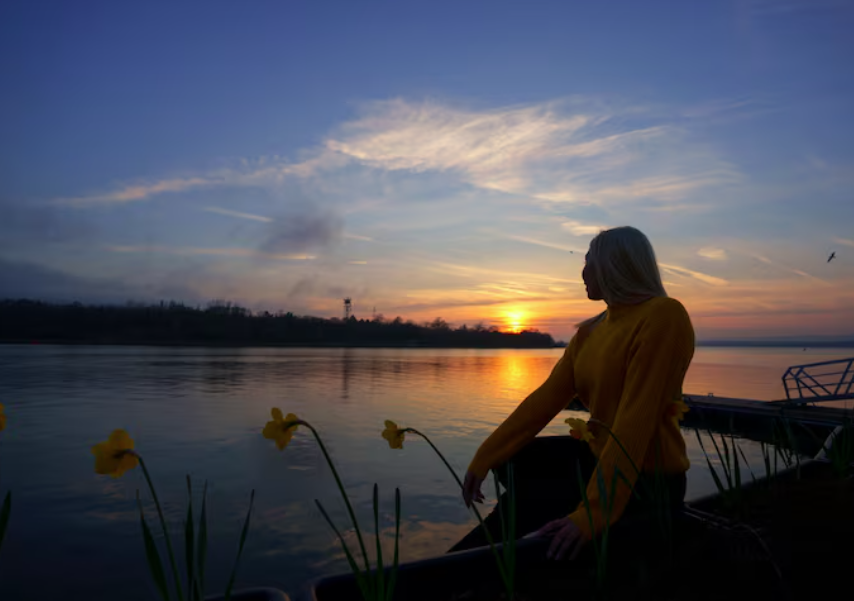
Light is perhaps the most dynamic element available to poets seeking inspiration from nature. The same mountain range appears entirely different when viewed under golden morning sun, harsh midday brightness, soft afternoon glow, or dramatic twilight conditions. Each variation of light creates distinct moods and reveals new details that might otherwise go unnoticed. A desert landscape bathed in blue-grey predawn light evokes solitude and mystery, while the same landscape flooded with intense afternoon heat suggests harshness and endurance. Poets who observe these shifts carefully can capture moments of profound beauty and use them as anchors for their work.
The technical aspects of how light behaves in natural settings provide concrete material for poetic imagery. Photographers and painters have long studied the golden hour, the period shortly after sunrise or before sunset when light takes on warm, diffused qualities, and poets benefit equally from this knowledge. When light hits a landscape at a low angle, it creates long shadows that add dimension and drama to even modest terrain. Overhead sunlight, by contrast, can flatten a landscape or reveal patterns invisible under other lighting conditions. Writers seeking to understand how light sculpts terrain at its most dramatic can study how Peter Lik photography captures the interplay of shadow and illumination across vast natural environments, translating observable light phenomena into images that demonstrate the full emotional range available to anyone working in this visual and creative territory. These observations translate directly into vivid descriptive language and metaphors that resonate with readers because they reflect genuine, observable phenomena.
Vastness as a Mirror for Internal Experience
Landscapes that stretch beyond the horizon's reach often evoke a specific kind of emotional response that poets find extraordinarily useful. Standing before mountains, oceans, or endless plains creates a sense of scale that can make personal concerns feel simultaneously insignificant and deeply meaningful. This paradox sits at the heart of much landscape poetry, where the external world reflects or contrasts with the speaker's inner state. A poet grieving loss might find that a barren landscape validates that feeling, while another writer might experience hope and renewal when observing the same terrain under spring conditions. The vastness does not impose meaning; rather, it provides neutral space onto which human emotion can be projected and explored.
The specific characteristics of vast environments also reward close observation that deepens poetic thinking. Desert landscapes reveal the texture and color of bare earth in ways that forested or urban environments cannot. Grasslands demonstrate the effects of wind, weather, and season in visually dramatic ways, while mountains offer vertical perspective that fundamentally shifts how a viewer understands scale and power. Ocean horizons create a natural frame that forces contemplation of boundaries, endings, and infinite possibility. Poets who spend time in these environments develop sensory awareness that extends beyond visual observation to include sound, temperature, texture, and smell. A desert wind carries a particular dryness; mountain air often feels thinner and clearer; coastal environments carry the salt and moisture of water. These sensory details become irreplaceable elements of authentic poetic voice.
Seasonal Transitions as Sources of Metaphor
The changing seasons in vast landscapes provide natural narrative arcs that poets can observe and interpret. Spring brings renewal and growth; summer offers fullness and intensity; autumn presents decline and transformation; winter suggests dormancy and starkness. Each season rewrites the same landscape, offering different emotional associations and metaphorical possibilities. A poet observing a meadow transition from winter snow to spring wildflowers witnesses a literal transformation that mirrors countless human experiences of change and renewal. These seasonal progressions feel authentic to readers precisely because they reflect observable natural cycles that exist independently of human perspective.
Different landscapes experience seasonal change in dramatically different ways. High mountain terrain may experience seasons compressed into brief windows, with snow present even in summer at the highest elevations. Coastal areas might show minimal seasonal variation in some regions, while continental interiors swing between temperature extremes. Desert landscapes transform subtly but profoundly across seasons, with dormant plants suddenly blooming after rain. A poet working across different landscape types can observe how the fundamental patterns of seasonal change express themselves through radically different environmental manifestations, which prevents poetic treatment of seasons from becoming clichéd and encourages writers to discover fresh language for processes that feel ancient and universal.
Solitude and Sensory Awareness in Open Spaces
Vast landscapes often encourage solitude, which paradoxically sharpens sensory perception and creative thinking. When alone in open terrain without human structures or other people to claim attention, the mind naturally focuses more intently on surrounding details. A writer standing alone in a canyon might notice how sound echoes and travels differently than expected, or how wind patterns create visible effects in dust and vegetation. This heightened attention generates the specific, concrete details that elevate poetic language from generic description into distinctive and memorable expression. Rather than simply noting that a landscape is "quiet," a poet observing alone might discover that the quiet contains distinct layers: wind sound at certain frequencies, distant bird calls at particular intervals, and the complete absence of human-generated noise.
The mental state that emerges during solo time in expansive natural settings also facilitates the kind of thinking poetry requires. Without distraction, the mind can hold multiple ideas, images, and emotions simultaneously and explore connections between them. A writer alone on a beach might hold the image of waves breaking, the memory of a conversation from days past, and an abstract concept like impermanence all in mind at once, allowing these elements to interact and generate new insights. This form of contemplative awareness does not require isolation to occur, but vast landscapes naturally encourage it by virtue of their scale and lack of competing stimuli. Many writers report that time spent in such settings produces breakthroughs that feel impossible to access in busier, more compartmentalized environments.
Conclusion
Vast landscapes and changing light offer poets inexhaustible material for creative development and genuine artistic expression. The relationship between environmental observation and poetic inspiration operates on multiple levels, from the immediate visual impact of dramatic scenery to the deeper emotional and philosophical responses that emerge through sustained attention. Light transforms landscapes continuously, revealing new details and moods that poets can capture through carefully chosen language. The scale of expansive terrain creates paradoxical space where personal emotion finds expression and validity, while seasonal cycles provide metaphorical structures that feel authentic because they reflect observable reality. Solitude in open spaces sharpens sensory perception and facilitates the associative thinking that generates memorable poetic language. Writers who invest time in observing vast landscapes under changing conditions develop deeper creative voices and produce work that speaks to the fundamental human experience of encountering beauty, vastness, and the mysteries of the natural world.