Why the Demand for Everyday Recovery Solutions Keeps Growing
Most people don't think about recovery until something goes wrong. A tight lower back after hours at a desk. Legs that feel like concrete after leg day. That dull, persistent headache sitting right behind your eyes, the one that shows up every Thursday without fail. These aren't just physical inconveniences anymore. They're your body flagging something serious: modern life is extracting a toll, and most of us aren't paying it back.
Here's the good news: people are starting to pay attention. The explosion of everyday recovery solutions isn't some wellness industry gimmick. It's a genuine cultural reckoning with how we treat our bodies, and it's changing daily routines for millions of people worldwide.
Research published in Frontiers in Public Health found that participants rated recovery community visits at a mean score of 87.13 out of 100 for helpfulness, a striking number that speaks to just how meaningfully consistent recovery support affects daily well-being.
Los Angeles has always been a city that moves first. Its fitness culture is legendary. Its appetite for self-care innovation is practically built into the city's DNA. LA residents don't wait for wellness trends to arrive; they create them.
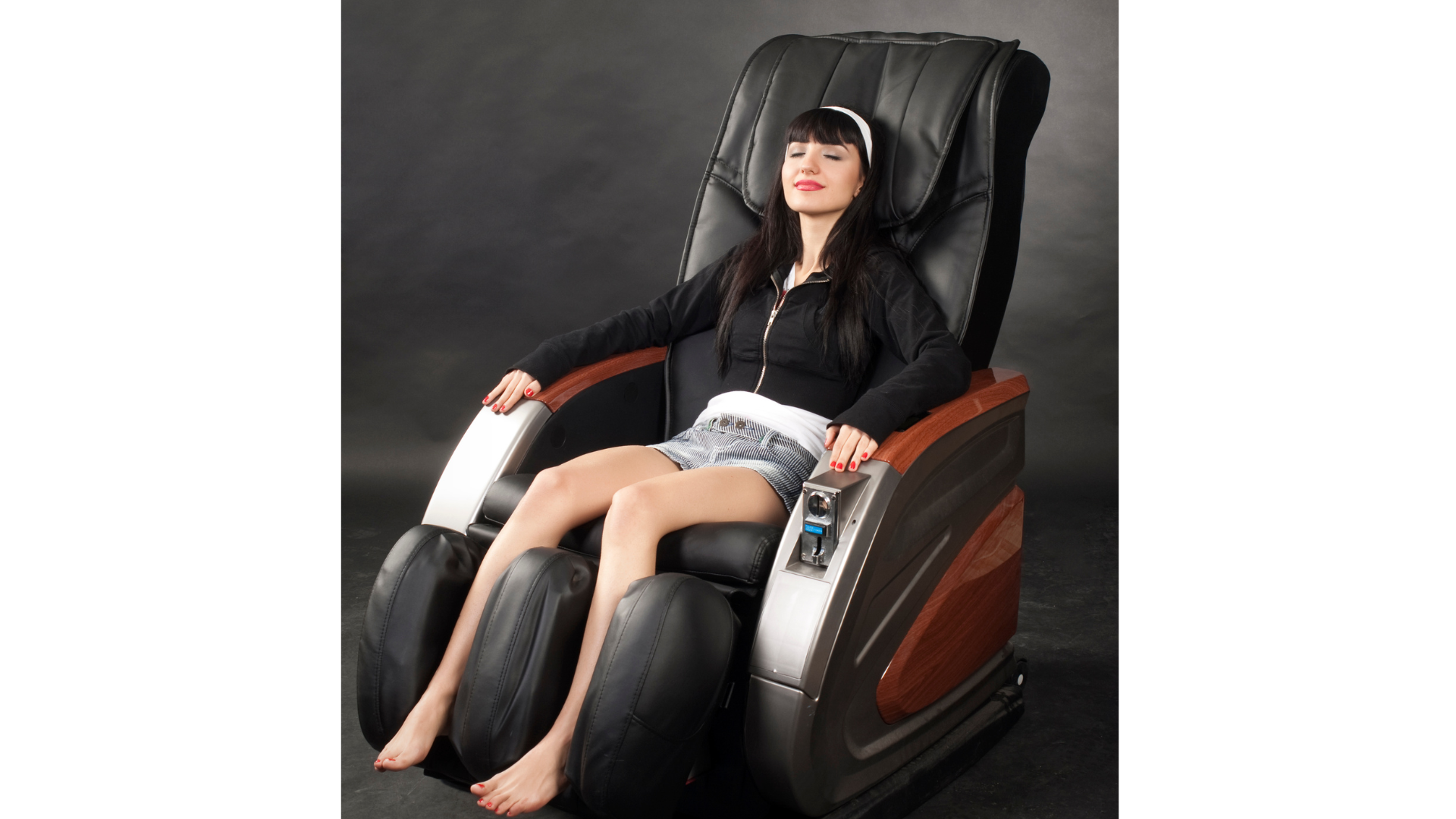
It's no surprise, then, that the demand for high-quality massage chairs in Los Angeles has risen sharply, driven by residents who want real, accessible recovery without leaving home. Brands endorsed by the American Chiropractic Association and supported by over 250 patented technologies are delivering spa-caliber muscle relief on demand, right in the living room.
And this isn't a Los Angeles-only story. The surge in recovery products demand is being shaped by powerful, converging forces that span work culture, fitness science, and consumer technology. Let's break down exactly what's driving it.
Key Drivers Behind the Growth of Everyday Recovery Solutions
Demand doesn't materialize from nowhere. Modern life has quietly engineered the perfect conditions for recovery tools to thrive, and the pressure points are everywhere.
The Evolving Wellness Mindset
Something has shifted in how consumers think about health. The old model, waiting for pain, then treating it, is losing ground to something smarter. Prevention-first thinking has worked its way into how people plan their weeks, structure their mornings, and wind down their evenings.
Remote and hybrid work deserve a significant share of the blame. More desk hours mean more sedentary strain, and that strain translates directly into the kind of chronic muscle tension that daily wellness recovery routines are specifically designed to address. People aren't just buying recovery tools on a whim; they're buying them because they need them.
How Sports Science Reshaped Recovery Products Demand
A decade ago, compression therapy and percussive muscle work belonged exclusively to professional athletes. Today, your neighbor uses a massage gun after a morning run. That crossover didn't happen by accident.
Sports science fundamentally redefined what everyday consumers expect from recovery. The mainstreaming of post-workout recovery solutions, accelerated by fitness influencers, celebrity endorsements, and an avalanche of accessible content, turned recovery from an occasional indulgence into a daily non-negotiable. That shift in perception has had a lasting impact on what people are willing to invest in.
Recovery Solutions Gaining Ground: From Familiar to Forward-Thinking
The technology industry took notice of that cultural shift and responded. Today's recovery market spans everything from clinical-grade home devices to apps you can use on a lunch break, and the range keeps expanding.
Popular Solutions on the Market Today
The muscle recovery trends dominating today's market are genuinely diverse. Percussive therapy devices, infrared sauna blankets, and cooling compression wraps each have carved out a loyal consumer base for good reason. Sleep optimization tools have also become a core part of the conversation, with more people recognizing that quality rest isn't optional; it's physiologically essential for physical repair.
Compression wear deserves a particular mention. Once confined to clinical and sports contexts, it's now showing up in everyday wardrobes. That normalization reflects something bigger: recovery is no longer clinic-bound. It happens at home, at the office, mid-commute.
Innovative Additions to the Recovery Toolkit
At-home contrast therapy setups. Virtual mobility platforms. Guided stretching apps designed for every fitness level and budget. The post-workout recovery solutions ecosystem has grown remarkably holistic.
Functional beverages and nutraceuticals targeting muscle repair have also surged. Recovery, clearly, is no longer just about what you do with your body; it's about what you put into it, too.
Accessible Methods for All Lifestyles
Not every effective recovery tool requires a significant financial investment. Acupressure mats, self-massage techniques, and desk-stretch routines are low-cost and genuinely effective when practiced consistently.
Corporate wellness programs are catching up as well. Ergonomic seating and portable massagers are increasingly standard investments for companies that understand the relationship between physical comfort and sustained productivity.
Shopping Smart: How to Choose the Right Recovery Solutions
The market is full of options. That's both the beauty and the challenge of where we are right now. Knowing how to filter through the noise is half the battle.
Factors to Consider When Selecting Recovery Products
Evidence-based efficacy comes first, always. A product's visual design and marketing copy tell you very little. The real question: Is there credible research behind what it claims to do?
Multi-functionality is a genuine differentiator. The most valuable everyday recovery solutions typically address several needs simultaneously, circulation, muscle tension, and posture support, without requiring a separate device for each.
Ease of use matters more than most people initially realize. The most sophisticated recovery tool in the world is completely worthless if it stays in the closet. Consistency drives results, and tools that fit naturally into your routine will always outperform those that feel like a chore.
Comparing Common Recovery Solutions
| Solution | Best For | Cost Range | Daily Usability |
| Massage Chairs | Full-body recovery | High | Excellent |
| Percussive Devices | Targeted muscle relief | Medium | Very Good |
| Compression Wear | Circulation support | Low–Medium | Excellent |
| Infrared Sauna | Deep tissue, relaxation | High | Good |
| Acupressure Mats | Tension relief | Low | Excellent |
The Future of Muscle Recovery Trends and Everyday Wellness
The trajectory here is unmistakable. The Global Fitness Recovery Services Market is projected to reach USD 8,219.7 million in 2025, growing at a compound annual rate of 11.6%. Numbers like that don't reflect a passing trend; they reflect behavioral change that has embedded itself into mainstream culture.
Personalized Recovery Powered by Technology
AI-driven recovery platforms are beginning to tailor recommendations around individual sleep data, biometric feedback, and activity levels. Wearables integrating muscle recovery trends into their core functionality are making fully customized recovery plans realistic for everyday users, not just elite athletes.
Community and Social Support
Technology is making recovery more intelligent. But human connection is what makes it sustainable. Online wellness communities, virtual coaching programs, and gamified recovery challenges are transforming what was once a solitary practice into something people actively look forward to.
Telehealth is filling critical gaps here as well, connecting individuals with professional recovery guidance without the friction of an in-person appointment.
Frequently Asked Questions
Does daily recovery actually produce long-term results?
Consistently, yes. Experts broadly agree that regular recovery reduces injury risk, supports sleep quality, and preserves long-term mobility. Daily habits compound meaningfully over time, making recovery one of the highest-return health investments available.
Can recovery solutions work for people across different ages and fitness levels?
Absolutely. Many everyday recovery solutions, from gentle mobility apps to massage chairs, are designed with broad accessibility in mind, including seniors, beginners, and people managing chronic discomfort.
Are there effective techniques that don't require expensive equipment?
Yes, foam rolling, contrast showers, mindful stretching, and consistent sleep hygiene are all evidence-backed approaches that cost little to nothing. Consistency always outweighs the price tag on your tools.
Why Recovery Has Earned a Permanent Place in Daily Life
The demand for everyday recovery solutions isn't slowing down, because the need isn't slowing down either. Tools keep improving, awareness keeps spreading, and the conversation keeps maturing. From daily wellness recovery habits built at home to forward-thinking workplace wellness programs, recovery has established itself as a legitimate, non-negotiable health priority.
Whether you're chasing peak athletic performance or simply trying to arrive at the weekend feeling like a functional human being, the right recovery practices make a measurable difference. The question stopped being whether recovery matters a long time ago. The only question that remains is whether you're actually making space for it.