Why Retirement Apartments for Sale Offer Convenience and Community Living
There is a reason apartment living in retirement is growing faster than any other housing category for older Australians. It is not just about downsizing. It is about trading complexity for quality of life. Retirement apartments for sale in purpose-built communities combine the independence of private ownership with the social and physical infrastructure of a managed community. For people who want their energy spent on living rather than on maintaining a property, the appeal is straightforward. But convenience and community are not automatic. They depend entirely on how the building and the community around it are designed and managed.
What Makes a Retirement Apartment Different From a Standard Apartment?
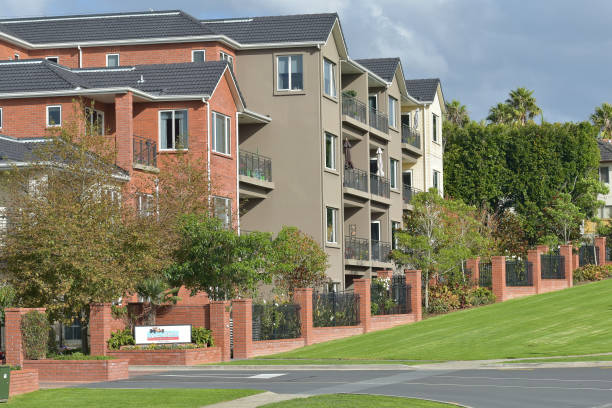
Purpose-built retirement apartments are designed specifically for older adults. That distinction matters. Standard apartments optimise for density and resale value across a broad market. Retirement apartments optimise for accessibility, safety, and the needs of people who may be ageing in place for 20 or more years. Features include wider corridors, step-free access throughout, emergency call systems, lower bench heights, accessible bathrooms, and acoustic treatment between units. Many include a concierge or management desk with 24-hour coverage. Building amenities typically include a communal lounge, function room, garden areas, and in larger developments, pools, gyms, and health consultation rooms. The physical environment is explicitly engineered for this life stage.
How Does Apartment Living Support Social Connection in Retirement?
Isolation is one of the most serious health risks facing older Australians. The Australian Institute of Health and Welfare reports that social isolation is associated with a 29% increased risk of heart disease and a 32% increased risk of stroke. Retirement apartment communities structurally reduce isolation by placing residents in proximity to each other and providing shared spaces designed for casual interaction. You do not have to seek out social connection. It is built into the architecture. A shared mailbox area, a communal garden, an organised morning walk. These micro-interactions add up. Residents in well-designed retirement apartment communities report higher levels of daily social contact than those living in standalone houses, even when house residents live near family.
What Financial Advantages Come With Retirement Apartment Ownership?
Lower entry cost relative to standalone retirement homes is the headline. But the financial picture goes deeper. Apartment living eliminates a significant portion of property maintenance costs. No roof repairs. No fence replacements. No lawn mowing. These costs are covered by strata levies, and while levies vary, they are typically more predictable than the open-ended costs of maintaining a detached property in retirement. Capital gains in well-located retirement apartment precincts have also been competitive with the broader apartment market. For people who release equity from a family home to purchase a retirement apartment, the financial transition often results in a meaningful improvement in liquid assets available for living and health expenses.
What Should You Look for in a Retirement Apartment Building?
The building's strata management quality matters enormously. A well-managed building maintains its fabric and common areas over time. A poorly managed one lets maintenance backlogs accumulate, which erodes both amenity and resale value. Review the strata financial statements. Check the sinking fund balance and whether it is adequately provisioned for future capital works. Look at whether the building has a history of special levies, which indicate a chronically underfunded sinking fund. Also assess the building age and construction quality. New buildings have the advantage of modern accessibility design. Well-maintained older buildings can still offer excellent value if governance is strong.
How Do You Assess Whether a Community Culture Is the Right Fit?
Community culture cannot be faked for long. The best way to assess it is to spend time in the community before buying. Attend a community event. Walk the common areas on a weekday morning. Talk to residents in the garden or lobby. Are people genuinely engaged? Is there warmth and humour? Are there visible signs of an active residents committee and community programming? Management responsiveness is also a cultural indicator. How quickly do management respond to maintenance requests? How transparent are they about building financials? These signals tell you whether the community is truly resident-centred or just marketed that way. In retirement, you are not just buying real estate. You are buying into a way of life.