What Solar Generator Size Do You Really Need?
Choosing the appropriate solar generator size is determined by what you need to power and for how long. Whether you're powering a few lights or backing up your entire home, estimating the size might leave you short on power or overpaying for capacity you won't need. An appropriately sized solar generator offers you the confidence to tackle everyday necessities, crises, or off-grid life. To make the best decision, you must evaluate your energy requirements and compare them to generator specifications such as watt-hours, output restrictions, and battery capacity. This article will help you through the steps of determining and selecting the appropriate solar generator size.
How Do You Calculate the Right Solar Generator Size?
List All Devices You Want to Power
Start by writing down every device you plan to run with the solar powered generator for home use. Include necessities like phones, computers, lights, and routers, as well as appliances like a compact fridge, TV, or fan. Include less visible goods, such as medical instruments or tools, if applicable. Be realistic—concentrate on what you require most during outages or off-grid situations. Check the wattage label on each device, or utilize average numbers found on manufacturer websites. Create two lists: one for items you intend to execute concurrently and one for general everyday usage. Knowing what you want to power is the first step in selecting the proper generator.
Add Up Total Wattage and Runtime Requirements
Next, calculate how long you'll use each gadget every day and multiply by its watts. For example, a 60W TV operated for four hours uses 240 watt-hours. Do this for each device on your list, then sum the totals. This calculates your anticipated daily energy use in watt-hours. To guarantee that your generator's inverter can manage the combined load, add up the wattage of all products operated at once. Do not forget about starting spikes for equipment such as refrigerators. This procedure assists you in determining the necessary battery capacity and inverter size to ensure that your generator functions reliably under actual usage.
Convert Daily Power Needs Into Generator Specs
After calculating your entire daily watt-hour requirements, provide a 20-30% buffer to allow for inverter losses and overcast charging days. If you consume 1,000Wh each day, look for a generator that has at least 1,200Wh capacity. Check that the generator's continuous output (in watts) equals or surpasses your peak demand, and that the solar input allows for quick recharge between uses. For regular or emergency use, check for battery alternatives that may be expanded or have dual charging capabilities. This translation from expected consumption to specifications guarantees that you receive a generator sized for comfort rather than compromise—one that works when and how you need it.
What Generator Sizes Work Best for Different Use Cases?
Small Units (Under 500Wh) for Phones, Lights, and Laptops
Small solar generators rated around 500 watt-hours are excellent for basic needs. These devices can run phones, tablets, Wi-Fi routers, and LED lights for several hours. They're ideal for short-term outages, remote business settings, and camping adventures. Most have USB connections, AC outlets, and mini inverters rated up to 300W. They will not run kitchen appliances or power equipment, but they will meet your communication and illumination demands. They're lightweight and portable, and the folding solar panels allow for speedy charging. Small generators are ideal for powering low-watt equipment during the day or for a few hours at night.
Medium Units (500Wh–1500Wh) for Fridges, Routers, TVs
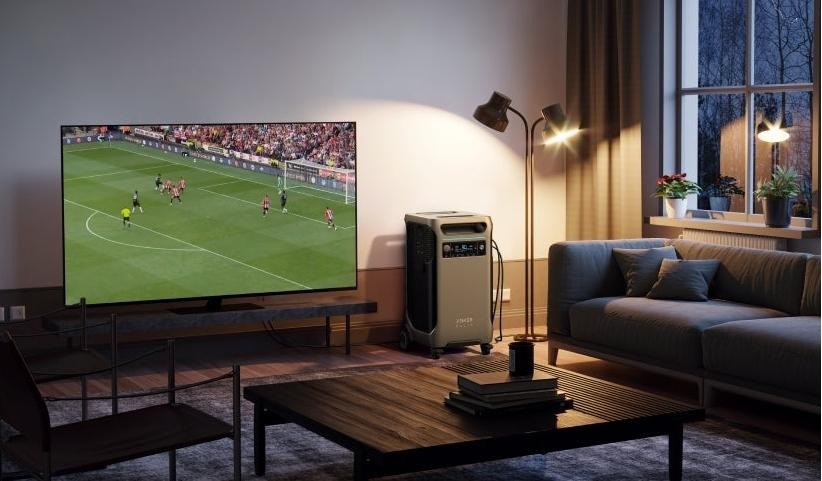
Medium-sized solar generators, ranging from 500Wh to 1,500Wh, can power more demanding household appliances. They're strong enough to power tiny fridges, routers, TVs, fans, and other small gadgets all at once. Most have 500W to 1,000W inverters, allowing you to use conventional appliances securely. These units are appropriate for extended blackouts, weekend excursions, and mild off-grid use. With good load control, you may extend runtime across a whole day. Charging choices frequently include AC, solar, and automobile input, with faster recharge periods than smaller devices. If you desire a blend of mobility and power, this category will suit your everyday and backup demands consistently.
Large Units (1500Wh+) for Backup, RVs, or Full Home Loads
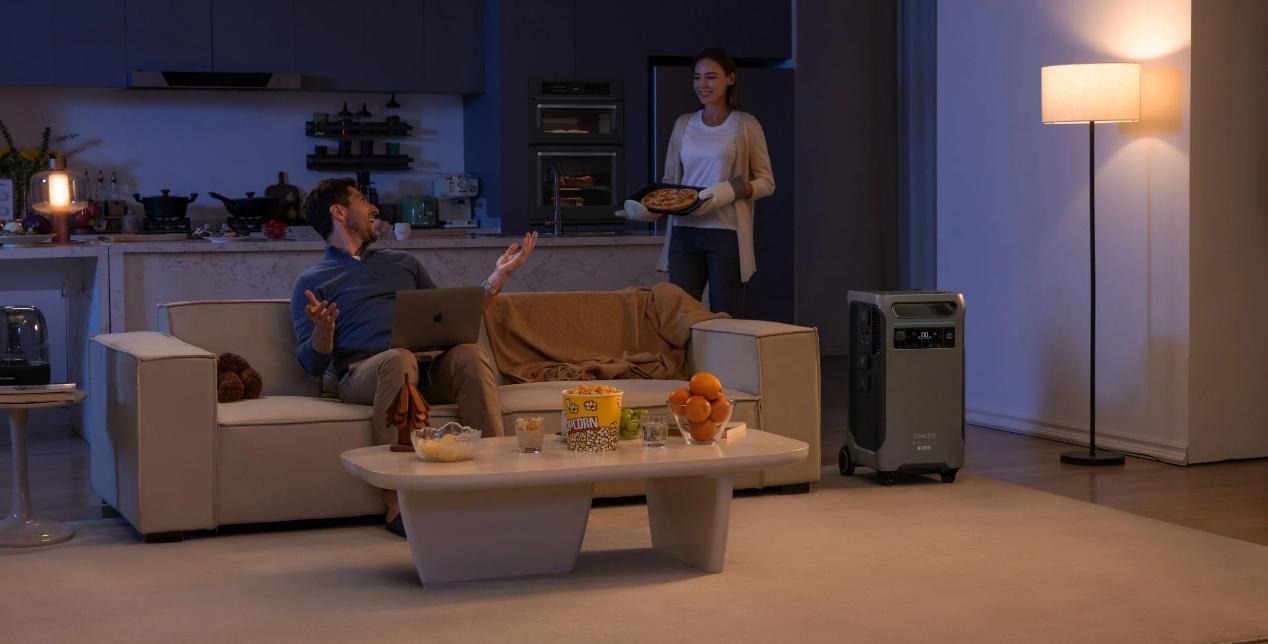
Generators with more than 1,500 watt-hours provide adequate power for high-consumption applications. These huge containers may accommodate refrigerators, microwaves, power equipment, medical instruments, and even whole RVs and partial house loads. Many have pure sine wave inverters rated between 1,500W and 3,000W, which can tolerate starting surges and simultaneous multi-device operation. They are heavy, but frequently come with wheels or handles for mobility. Some types may be expanded with additional batteries and solar panels, making them ideal for long-term outages or complete off-grid life. Though more expensive, they provide dependable electricity for individuals who cannot afford outages. If you want significant backup or off-grid capability, go with a big system.
Conclusion
Finding the appropriate solar generator size begins with determining what you want to power and how long you need it to operate. Whether it's simple electronics or whole-house backup, every item adds up. Calculating your daily watt-hour usage and matching it to generator specifications guarantees that you get the optimal mix of capacity and performance. Don't splurge on power you won't need, but don't underpower vital equipment either. An appropriately sized solar generator provides peace of mind, energy independence, and flexible electricity when you need it most, regardless of where or how you intend to use it.