Modern Trends in Residential Air Conditioning Installation
Table of Contents
- Introduction
- Smart Thermostats
- Energy-Efficient Systems
- Ductless Mini-Split Systems
- Eco-Friendly Refrigerants
- Renewable Energy Integration
- Smart Zoning and Personalized Comfort
- Predictive Maintenance
- Geothermal Cooling Systems
Residential air conditioning technology is advancing quickly as homeowners demand greater efficiency, comfort, and sustainability in their cooling systems. Today’s installations are not just about keeping cool during summer; they focus on long-term energy savings, user customization, and environmental responsibility. As trends shift, it is vital for homeowners to understand the new options available, like AC installation for Ottawa homeowners, which are setting new benchmarks for comfort and energy use.
Choosing the right air conditioning system has become more complex yet rewarding with advancements such as smart devices and renewable integration. The article discusses trends that enhance home comfort and reduce environmental impact, emphasizing the benefits of modern AC technologies, including consistent indoor temperatures and lower utility costs. Homeowners not only improve their living conditions but also contribute to climate action by adopting energy-efficient solutions. Key trends include smarter controls, stronger energy standards, and flexible zoning, making it essential for homeowners to stay informed for future-proofing their investments.
Smart Thermostats
Among the most impactful innovations in modern air conditioning are smart thermostats. These devices use AI to adapt to your daily patterns, automatically adjusting your home’s temperature for optimal comfort and energy savings. Connected via Wi-Fi and controlled via mobile apps, smart thermostats let you adjust settings on the go. Some models also provide real-time insights on energy consumption and offer tips to further reduce utility bills. By investing in a smart thermostat, homeowners can expect more responsive and efficient cooling—and even compatibility with voice assistants for seamless integration into smart home ecosystems.
Energy-Efficient Systems
Energy efficiency is at the heart of modern residential cooling. Air conditioning units with high Seasonal Energy Efficiency Ratio (SEER) ratings, often 18 or above, consume a fraction of the electricity that older models require, yielding considerable savings over their lifespan. The push for efficiency extends beyond SEER ratings, too, with inverter-driven compressors modulating their output to maintain precise temperatures. Making energy efficiency a priority during installation not only helps homeowners save money but also aligns with global climate targets set by organizations such as the U.S. Department of Energy.
Ductless Mini-Split Systems
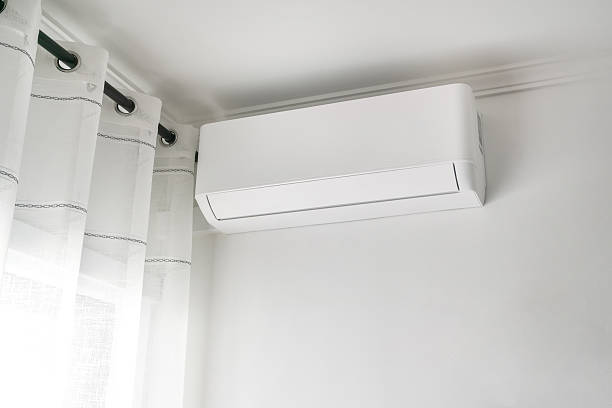
Ductless mini-split air conditioners are particularly attractive for homes that lack traditional ductwork, whether due to architectural constraints or historic preservation requirements. These systems provide zoned comfort, allowing each room or area to be cooled according to its unique needs. This flexibility reduces overall consumption by directing effort only where needed. Mini-splits are also favored for their ease of installation and quieter operation, as the noise-generating component is positioned outside the home. For families with home additions or rooms that tend to be hotter or colder, ductless mini-splits offer a practical, efficient alternative to centralized systems.
Eco-Friendly Refrigerants
Environmental sustainability is a growing concern, especially regarding refrigerants, which can significantly contribute to global warming. The HVAC industry is transitioning from older, high-impact compounds like R-410A to alternatives such as R-32 and R-454B, both recognized for their lower Global Warming Potentials (GWPs). While these refrigerants are more eco-friendly, proper handling during installation and servicing is necessary, as some newer options are mildly flammable. Homeowners should ensure their installers are certified to work safely with these substances and comply with updated standards.
Renewable Energy Integration
Powering AC systems with renewable energy is quickly moving from novelty to necessity. Solar-powered air conditioning uses photovoltaic panels to offset or power cooling equipment, resulting in long-term savings and greater energy independence. These systems are especially relevant for households interested in net-zero living or reducing their reliance on the traditional grid. During blackouts or during peak summer demand, a solar-integrated system can provide an invaluable backup. Homeowners exploring this trend should work with professionals familiar with solar design and battery storage integration to ensure year-round performance and reliability.
Smart Zoning and Personalized Comfort
Today’s air conditioning systems now offer unprecedented control through smart zoning. Wireless, app-controlled thermostats let you tailor the temperature in different zones or rooms, which allows families to personalize comfort while avoiding energy waste. Remote sensors monitor temperature changes and occupancy, enabling the system to adapt dynamically. This means that bedrooms can stay cool at night, while living spaces are adjusted during the day, or even shut down when unoccupied. Smart zoning can be especially cost-effective for larger homes or households with varying schedules.
Predictive Maintenance
Breakdowns in AC units are often disruptive and expensive. To reduce these headaches, the industry is moving toward predictive maintenance powered by artificial intelligence. These solutions use sensors and real-time data to detect subtle performance changes, predicting failures before they occur. Homeowners benefit from fewer emergencies, longer-lasting equipment, and reduced repair costs. This approach is poised to become a standard, as it ensures peace of mind and maximizes the effectiveness of regular maintenance visits.
Geothermal Cooling Systems
Geothermal cooling systems utilize the earth’s stable subsurface temperature to efficiently regulate indoor climate. These systems circulate fluid through underground pipes, using the ground’s natural coolness as a heat sink to draw warmth away from the building. Although the upfront installation costs are higher, operating expenses are significantly lower thanks to remarkable energy efficiency. Geothermal technology is an especially compelling option for those committed to green living and long-term value, as it provides decades of reliable service with minimal environmental footprint.
Modern trends in residential air conditioning are reshaping homes with more intelligent, efficient, and eco-friendly technologies. As innovation continues, homeowners who embrace these solutions can enjoy improved comfort, reduced costs, and a lighter environmental impact for years to come.