Magnetic License Plate vs Traditional Holders
A traditional License plate holder is typically built around fixed mounting points and mechanical fasteners. It relies on screws or bolts that secure the plate directly to the vehicle’s bumper or bracket. This approach has remained largely unchanged for decades, primarily because it is simple and compatible with most vehicle designs.
Despite its familiarity, this system introduces several practical limitations. Installation often requires tools, alignment adjustments, and repeated tightening over time. Once mounted, the plate becomes a semi-permanent element that is not designed for frequent removal or repositioning, which can limit flexibility in everyday use.
How a Magnetic License Plate System Works
A Magnetic license plate - https://alitehub.com/collections/magnetic-license-plate-holder system approaches mounting from a different engineering perspective. Instead of relying solely on mechanical pressure from screws, it uses magnetic force to secure the plate against a hidden base. This allows for a strong hold without constant mechanical stress on the plate itself.
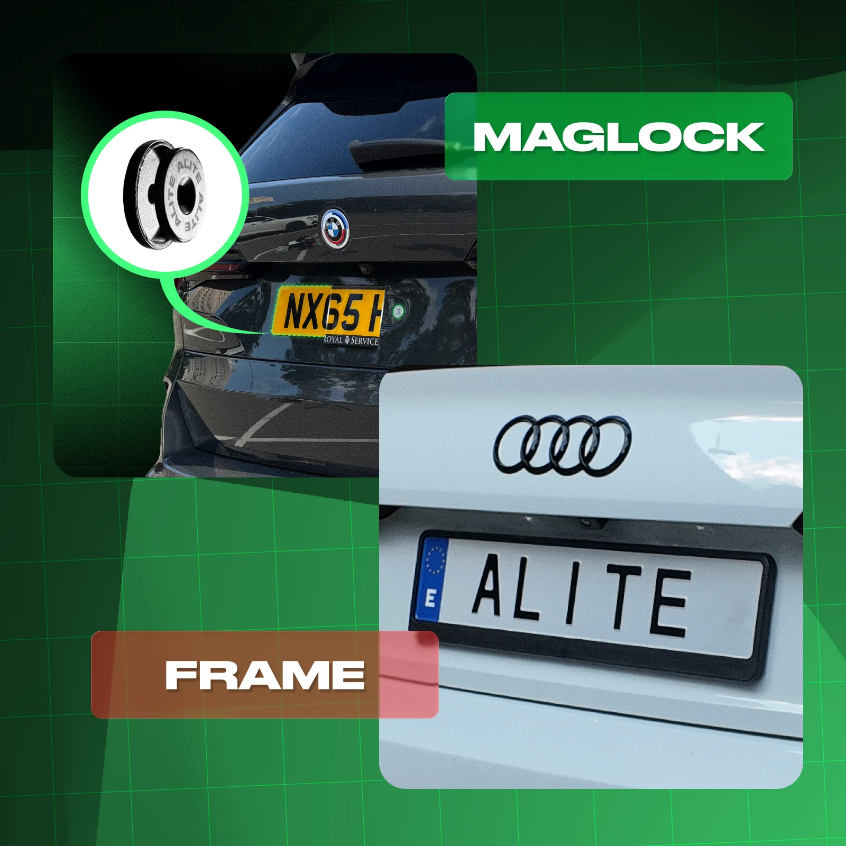
In systems like Alite Maglock, magnets are paired with concealed mounting points to maintain a clean exterior appearance. The magnetic force is distributed evenly across the surface, reducing vibration and minimizing wear on both the plate and the vehicle mount during regular driving.
Installation and Removal: Fixed vs Flexible Design
One of the most noticeable differences between a traditional License plate holder and a magnetic solution lies in installation and removal. Traditional holders are designed for long-term attachment, often discouraging frequent interaction once installed. Removing the plate usually means unscrewing hardware and realigning everything afterward.
A magnetic system prioritizes flexibility. Plates can be detached and reattached without tools, allowing for quick adjustments when needed. This design supports drivers who value ease of access without compromising stability during normal driving conditions.
Durability and Stability in Daily Driving
Durability is a critical factor for any Magnetic license plate solution, as it must withstand vibration, weather exposure, and varying road conditions. High-quality magnetic systems are engineered with strong holding force to prevent movement even at highway speeds or on uneven surfaces.
Traditional holders achieve stability through rigid fixation. While effective, this rigidity can transfer vibration directly to the plate, sometimes leading to rattling or gradual loosening. Magnetic systems absorb micro-movements more naturally, reducing long-term stress on mounting points.
Design, Appearance, and Vehicle Integration
From an aesthetic standpoint, a License plate holder often becomes a visible design element. Frames, brackets, and screws may draw attention away from the vehicle’s original lines. While some drivers prefer decorative frames, others favor a minimal, factory-like appearance.
Magnetic systems tend to emphasize visual simplicity. With hidden bases and frameless presentation, they allow the plate to sit closer to the vehicle surface. Alite Maglock reflects this design philosophy by minimizing visible hardware, resulting in a cleaner and more integrated look.
Practical Differences Drivers Notice Over Time
In everyday use, the differences between traditional and magnetic systems become clearer. With a Magnetic license plate, drivers often notice reduced vibration noise, easier cleaning access, and faster plate handling. These small conveniences accumulate over time, shaping overall user experience.
Traditional holders remain functional but less adaptable. Once installed, they offer reliability with little interaction, which suits drivers who prefer a set-and-forget solution. The choice ultimately depends on whether flexibility or permanence better matches the driver’s routine.
Drivers often prefer magnetic systems when they value:
- Tool-free plate removal and reattachment
- Reduced vibration and surface stress
- Minimal visual impact on the vehicle
- Faster access for cleaning or adjustment

Long-Term Maintenance Considerations
Maintenance requirements differ significantly between a License plate holder and magnetic alternatives. Traditional holders may require periodic tightening, especially after exposure to temperature changes or road vibration. Over time, screws can corrode or strip, increasing maintenance effort.
Magnetic systems reduce mechanical wear points. With fewer exposed fasteners, there is less risk of corrosion-related issues. The primary maintenance focus becomes ensuring clean contact surfaces, which supports consistent magnetic performance over extended use.
When Traditional Holders Still Make Sense
Despite the advantages of a Magnetic license plate, traditional holders still have valid use cases. Drivers who prioritize maximum rigidity and rarely interact with their plates may find conventional mounting sufficient. These systems remain widely available and familiar.
In environments where frequent removal is unnecessary, the simplicity of a fixed holder can be appealing. However, as vehicle design trends move toward cleaner surfaces and modular components, magnetic systems increasingly align with modern expectations.
Traditional holders are often chosen by drivers who:
- Prefer permanently fixed components
- Rarely adjust or remove license plates
- Favor conventional mounting methods
Choosing Between Magnetic and Traditional Solutions
The comparison between magnetic and traditional mounting highlights a broader shift in vehicle accessory design. A License plate holder represents durability through mechanical permanence, while magnetic systems emphasize flexibility, reduced stress, and cleaner integration.
Solutions like Alite Maglock demonstrate how a Magnetic license plate approach can meet modern driving needs without sacrificing stability or aesthetics. Rather than replacing traditional holders outright, magnetic systems offer an alternative for drivers who value adaptability, minimal design, and long-term convenience in everyday vehicle use.