How Third Graders Can Turn Everyday Observations Into Strong Informational Writing
Table Of Contents
- Introduction
- Why Observation Helps Young Writers
- Step 1: Choose A Topic Students Can See
- Step 2: Collect Facts And Details
- Step 3: Organize Notes Into Main Ideas
- Step 4: Build Clear Informational Paragraphs
- Step 5: Teach Simple Text Structures
- Step 6: Strengthen Word Choice And Sentences
- Step 7: Revise, Edit, And Share
- Ways To Support Different Learners
- A Five-Day Classroom Plan
- Common Questions From Teachers
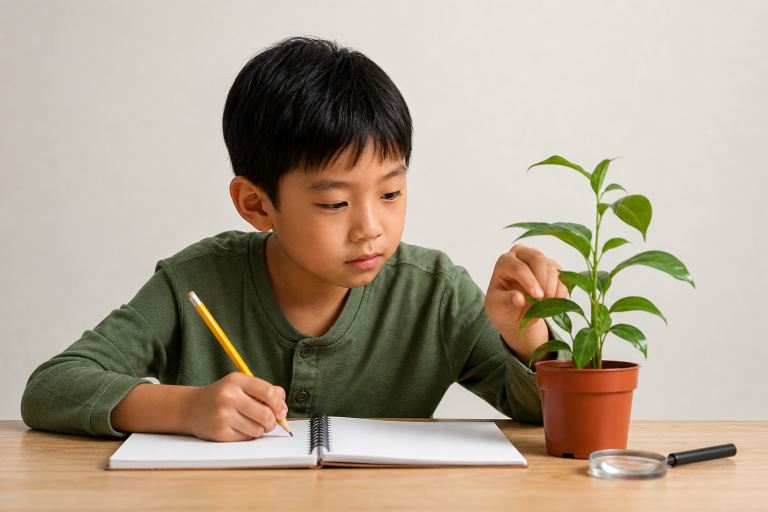
Third graders have plenty to write about when they begin with something they can see, touch, hear, measure, or discuss. A classroom plant, a weather change, a science experiment, or an activity on the playground can give young writers a real subject to explain. Teachers who want more classroom-ready ideas can explore https://studentreasures.com/teachers-lounge/lesson-plans/third-grade/ while planning observation-based writing lessons.
The goal is not to turn every child into an expert researcher overnight. It is to help students notice details, ask useful questions, organize what they learn, and explain it clearly to a reader. With short routines and repeated practice, everyday observations can become focused informational paragraphs and short reports.
Why Observation Helps Young Writers
Observation gives students a starting point that is more concrete than a blank page. Instead of writing, "Birds are interesting," a student who has watched birds near the school might write about their colors, movements, calls, food, or nesting places. Drawing, labeling, talking with a partner, and jotting notes all help students hold onto details before they begin drafting.
Daily writing time matters, but students also need support with the parts of writing that happen after a first draft. Recent classroom research involving fourth- and fifth-grade teachers found that individual writing practice was common, while collaborative work and revision appeared less often. Those findings make a strong case for building brief, predictable opportunities to talk, revise, and improve writing into the week.
Step 1: Choose A Topic Students Can See
Choose subjects that are close to students' lives and easy to examine. Good options include a school garden, a playground surface, a local bird, a classroom plant, a seasonal weather pattern, or a simple science demonstration. Familiar topics reduce the pressure of choosing and leave more attention for writing.
Before observing, ask students to make a quick "What I Already Know" list. Then invite them to look again with fresh eyes. This simple contrast helps children recognize the difference between a guess, a prior idea, and something they can actually observe.
Step 2: Collect Facts And Details
Teach students to replace broad opinions with details that answer questions. Ask: What does it look like? What does it do? Where is it found? What does it need? How does it change? What did you see, hear, count, or measure?
A three-part note page works well: What I Notice, What I Wonder, and What I Learned. Students can fill the first two sections during observation, then add verified information after reading a teacher-selected nonfiction passage or classroom resource.
Step 3: Organize Notes Into Main Ideas
Notes are easier to turn into writing when students sort them before drafting. Have students circle details that belong together, give each group a heading, select the most important group, remove unrelated ideas, and place the remaining groups in a logical order.
For a report about bees, students might sort notes under appearance, habitat, food, and role in nature. Each heading can become a paragraph topic or a section of a short report. This process shows students that organization begins before the first sentence is written.
Step 4: Build Clear Informational Paragraphs
A reliable paragraph frame gives young writers support without forcing every piece to sound alike:
- Topic sentence: Name the subject and main idea.
- Supporting details: Add facts, examples, or descriptions.
- Explanation: Tell why the details matter.
- Closing sentence: End the paragraph naturally.
Model the process aloud. For example, a teacher might say, "My paragraph is about what a bean plant needs to grow. I will use my notes about sunlight, water, and soil, then explain why each need is important." A quick reread can reveal missing information before students move on.
Step 5: Teach Simple Text Structures
Text structures help students decide how information should be arranged. Start with one structure at a time, using short mentor texts and familiar topics:
- Description: Explains what something is like.
- Sequence: Gives steps or events in order.
- Compare and contrast: Shows similarities and differences.
- Cause and effect: Explains why something happens and what follows.
- Problem and solution: Presents an issue and a possible answer.
A review of an informational text structure intervention involving grades four and five found positive results on some researcher-developed reading and writing measures. Since the study involved older students, it is best used as background for a gradual, age-appropriate introduction in third grade.
Step 6: Strengthen Word Choice And Sentences
Precise language makes informational writing clearer. Encourage students to replace "nice" with a quality-based word, replace "went" with a movement verb, and add colors, shapes, measurements, sounds, or actions when those details help the reader understand.
Teach linking words such as also, because, for example, and as a result. A plain sentence like "The plant grew" can be expanded to "The bean plant grew taller after it received water and sunlight." The second sentence conveys more to the reader without becoming difficult to read.
Step 7: Revise, Edit, And Share
Students should understand that revising improves ideas, while editing checks conventions. Revising may mean adding an important fact, moving a sentence, or replacing a vague word. Editing focuses on capitalization, punctuation, spelling, and grammar.
Use a short checklist: Does my first sentence name the topic? Does every detail support my main idea? Did I use specific words? Are my ideas in order? Did I check my conventions? During peer review, ask each student to name one strong detail and ask one helpful question.
Ways To Support Different Learners
- Provide picture cards, labeled diagrams, and topic-specific word banks.
- Let students say or record their ideas before writing them down.
- Offer sentence starters, such as "One important fact about ___ is ___."
- Allow drafting by hand or keyboard when appropriate.
- Use small groups and brief teacher conferences for planning support.
- Invite multilingual learners to discuss ideas in a familiar language before drafting in English.
A Five-Day Classroom Plan
Day One: Observe
Introduce the topic, then have students examine an object, image, living thing, or demonstration. Record what they notice and wonder.
Day Two: Research
Read a short nonfiction text together and add new facts to the observation notes.
Day Three: Plan
Sort notes, choose a main idea, and select a text structure.
Day Four: Draft
Model one paragraph, then confer briefly as students draft their own work.
Day Five: Revise And Share
Use the checklist, exchange drafts with a partner, make revisions, and share a finished paragraph or report.
Common Questions From Teachers
How Long Should The Assignment Be?
Begin with one well-developed paragraph. Expand to a short report when students can organize several related ideas.
Should Students Research Online?
Online research can be useful when teachers choose appropriate sources, set clear search limits, and help students distinguish facts from unsupported claims.
How Can Teachers Grade The Writing?
Use a short rubric with clear categories: topic clarity, supporting details, organization, word choice, and conventions. Age-appropriate expectations make feedback easier for students to use.
Final Thoughts
Third graders do not need complicated assignments to write with purpose. They need a subject worth noticing, a plan for gathering details, clear organization, useful vocabulary, and time to improve. When observation, discussion, research, drafting, and revision become regular routines, everyday classroom experiences can lead to stronger informational writing.


