How Medication-Assisted Treatment Is Changing Lives
Key Takeaways:
- Medication-Assisted Treatment (MAT) combines medication and counseling for effective opioid use disorder recovery.
- MAT supports long-term recovery and helps individuals regain independence.
- Backed by extensive research, MAT is a validated and reliable treatment option.
- Expanding availability and reducing barriers are essential to helping more people.
- Wider adoption of MAT contributes to healing individuals and strengthening communities affected by the opioid crisis.
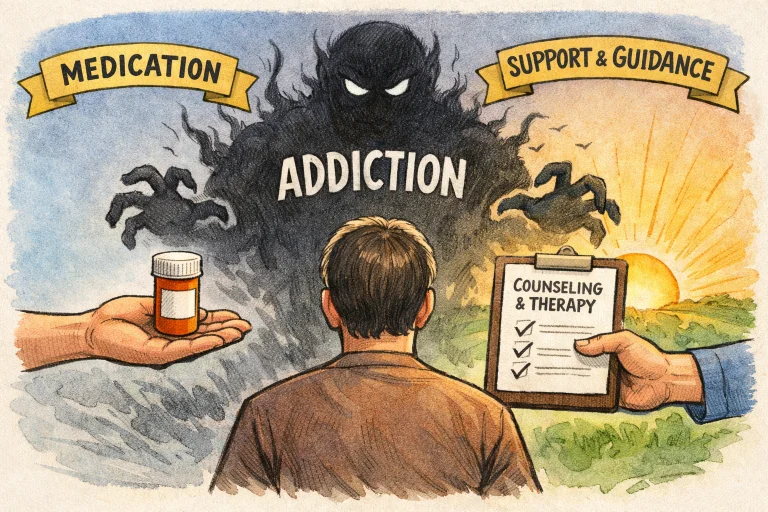
Across the United States, the opioid epidemic continues to affect individuals and families in profound ways. Amidst this crisis, Medication-Assisted Treatment (MAT) has become a revolutionary approach, helping people regain control over their lives. MAT doesn’t just rely on one solution. Instead, it combines the strength of FDA-approved medications with essential counseling and behavioral therapies to deliver well-rounded care. For individuals seeking help, options like a methadone clinic in San Diego provide access to this comprehensive treatment model, making recovery more attainable for many.
MAT's effectiveness lies in its ability to address both chemical and emotional aspects of opioid use disorder (OUD). It provides medical support to stabilize individuals and therapeutic guidance to tackle addiction's root causes. Clinicians and public health advocates support MAT as it challenges the outdated stigma that recovery only involves abstinence. Instead, it recognizes addiction's complexity and offers tools to rebuild healthy lives. Nevertheless, barriers to access remain. Continued education, policy changes, and innovative care delivery are essential to broaden access.
Understanding Medication-Assisted Treatment
At its core, Medication-Assisted Treatment utilizes prescription medications such as methadone, buprenorphine, and naltrexone to help reduce withdrawal symptoms, decrease cravings, and minimize the risk of relapse. Unlike replacing one substance with another, this carefully monitored approach creates a stable environment that allows individuals to fully participate in therapy and life activities.
Alongside the medical aspect, certified counselors and licensed therapists play a crucial role. They support clients in developing coping skills, addressing any underlying mental health challenges, and setting realistic, achievable goals for long-term recovery. This dual focus on physical and psychological support is fundamental to MAT's overall effectiveness.
The Efficacy of MAT
Numerous studies show MAT's positive impact on opioid addiction. The AMA states that participants are more likely to stay in treatment, increasing recovery chances. MAT also reduces overdose risk and improves social outcomes like employment and family stability. CDC and SAMHSA recommend MAT as the gold standard for OUD care for its proven results in lowering opioid use and harms.
Addressing Barriers to Access
Unfortunately, most people who need MAT are not receiving it. According to a report by KFF Health News, nearly 80% of individuals struggling with opioid addiction are not getting this vital treatment. Barriers include a lack of trained providers, geographic disparities, lingering stigma around addiction treatment, and regulatory hurdles that make it difficult for patients to access medications.
In rural communities, these challenges are often magnified. Primary care clinics may be understaffed or lack the necessary certifications, leaving residents with few options for care. Additionally, the social stigma associated with MAT can discourage people from seeking help, further entrenching the problem.
Innovative Approaches to MAT Delivery
In response to these obstacles, innovative solutions are emerging to connect more people with MAT. For example, in North Carolina, some EMS paramedics are authorized to administer buprenorphine in the field, allowing individuals experiencing a crisis to begin treatment immediately. This forward-thinking approach not only saves lives by reducing the chance of overdose but also creates a bridge to ongoing care for people who might otherwise fall through the cracks.
Other advancements include the use of telehealth to increase access to MAT providers, especially in underserved areas. Virtual appointments enable patients to connect with addiction specialists for prescription management and therapy, overcoming traditional barriers of distance and transportation.
Policy Changes Enhancing MAT Accessibility
Legislative and regulatory changes have driven much of the recent progress in opening up MAT access. The Drug Enforcement Administration (DEA), for instance, has scaled up efforts to reduce restrictions and expand access to medications for OUD, particularly in underserved and rural communities.
States have also taken steps, such as expanding insurance coverage for MAT and simplifying prescriber licensing requirements, to encourage more providers to offer these life-saving services. Ongoing advocacy and collaboration at every level of government remain essential to ensure that policy keeps pace with the evolving needs of the opioid epidemic.
Real-Life Impact of MAT
Behind every statistic is a human story. MAT’s impact is perhaps best illustrated by real individuals who have reclaimed their lives through this treatment. For instance, a mother from Lakewood, Ohio, openly shares how MAT helped her achieve stability, regain custody of her children, and reconnect with her community. Her journey echoes that of many others who now advocate for broadening access so that more families can experience similar hope and healing.
Conclusion
Medication-Assisted Treatment stands as a cornerstone in the modern response to opioid use disorder. Its integrated approach, which pairs pharmacological support with counseling, delivers measurable gains in recovery and empowers people to regain independence. As research continues to validate MAT’s effectiveness, ongoing efforts to remove barriers and expand access remain crucial. By recognizing MAT as a legitimate, evidence-based solution, we can continue to change lives and restore communities impacted by the opioid crisis.