How Cash-for-Homes Offers Are Calculated: What Sellers Should Know
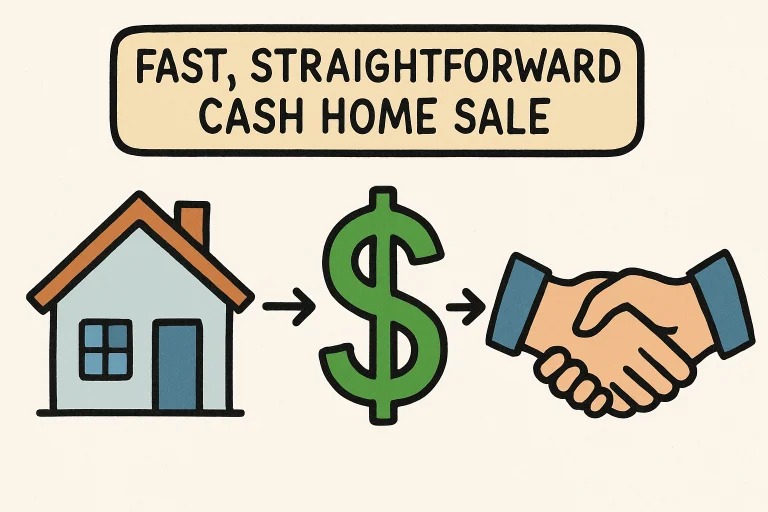
Cash-for-homes simplifies home property sales by offering quick, reliable offers from investors and companies. It bypasses traditional hurdles like appraisals, contingencies, and mortgage approvals, valuing certainty and speed.
With the cash closing approach, sellers benefit from a predictable, expedited transaction. Once both parties agree on the price, the closing process can be finalized in a week. This lets sellers avoid common headaches like renegotiations after inspection or buyer financing falling through.
How Are Cash Offers Calculated?
Cash buyers use a unique formula to determine their offers, considering home value, time, repairs, risks, and market fluctuations. This results in lower initial offers than traditional listings, allowing them to present offers that save time and reduce transaction uncertainty.
Selling to cash homes buyer is especially appealing for those who need to relocate quickly, manage inherited or distressed properties, or simply want to avoid the hassle of open-market listings and showings.
Key Factors in Calculating Cash Offers
When making a cash offer, cash buyers consider property condition, comparable sales, repair and renovation costs, transaction speed, and market conditions. They consider visible damage, outdated features, and upgrades, and may deduct estimated repair costs from their offers. Comparable sales are adjusted based on features, location, and current market conditions. Transaction speed and market conditions also play a role in finalizing the bottom-line offer.
Comparing to Traditional Market Value
Cash-for-homes transactions offer sellers 10-20% lower prices than traditional real estate transactions, but additional costs like agent commissions, staging, and repair expenses must be considered. The convenience and speed of cash transactions may outweigh financial gaps in situations like foreclosure, inheritance, or relocation.
Pros and Cons for Sellers
Selling a home has many advantages, including quick, predictable transactions, immediate access to funds, no need for costly repairs, and minimal risk of deal failure due to financing issues. However, its disadvantages include lower selling prices, less negotiation room, and investors prioritizing profit margins.
Conclusion
The cash-for-homes model is a practical alternative for those who value certainty, speed, and simplicity in the sales process. Sellers should balance the pros and cons, paying close attention to how offers are calculated and what factors most affect their bottom line. By seeking out competitive bids, understanding what goes into the offers they receive, and leveraging reputable resources, homeowners can make the smartest choice for their unique circumstances.