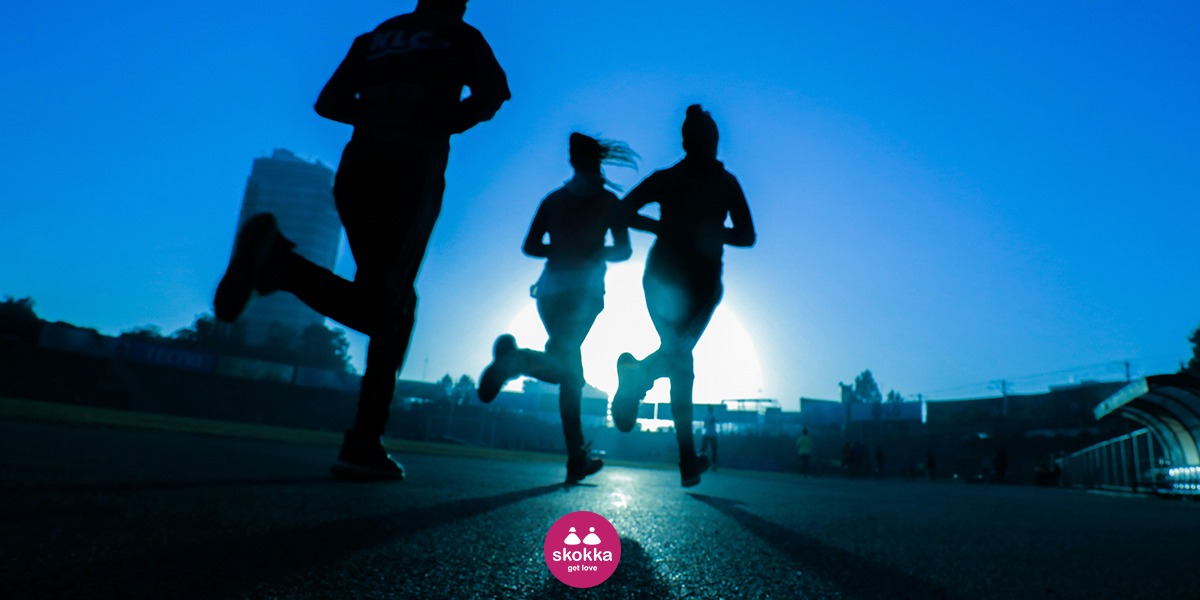
How breathing has become an essential “training†even for elite athletes
For a long time, breathing was ignored as an integral part of physical preparation. It was considered an automatic process that happened without control — and for that reason, it was left out of training programmes. Today, this view has completely changed. In gyms, high-performance clubs and sports physiology centres in India, advanced-level athletes have incorporated breathing training as one of the pillars of performance.
From cycling to jiu-jitsu, from swimming to running, breathing is now understood as a tool to regulate emotions, increase endurance and, above all, as a key bridge between mind and body. Breathing well has become a true competitive advantage.
More control, less anxiety — even for those seeking pleasure with more awareness
One of the most notable effects of breathing training is its ability to reduce stress. In competitive contexts, it helps athletes maintain concentration. But this same effect extends to life beyond sport — especially in the way people relate to their bodies and to pleasure.
More and more men and women in India are seeking more conscious ways to connect with themselves and with others. Self-care today includes everything from pilates classes to the interest in intimate and discreet experiences, such as those offered by professional female companions available on platforms like skokka.in. In these cases, breathing helps maintain both emotional and physical control, allowing people to live the moment with greater presence — whether in a competition or in a private encounter.
How breathing influences physical performance
When properly trained, breathing improves oxygen exchange, regulates heart rate and increases tolerance for prolonged effort. In endurance competitions, such as triathlons or marathons, it can make a significant difference.
In addition, breathing training:
- Reduces the build-up of lactic acid in muscles;
- Prolongs the sensation of energy during exertion;
- Helps faster recovery after sprints or intense loads;
- Stabilises posture and improves movement mechanics.
Techniques used by professional athletes
Among the most common are:
- Nasal breathing: used during light or moderate training, it helps optimise oxygenation and improve breathing rhythm.
- Box breathing (4-4-4-4): a technique used by athletes and special forces to maintain concentration under pressure.
- Controlled apnea: very common among swimmers and those practising water sports.
- Prolonged exhalation: calms the nervous system and reduces the perception of physical pain.
These are simple but very effective techniques — and today they are a fundamental part of many training programmes, on the same level as nutrition and rest.
Breathing and performance beyond sport: the body as a channel of expression
Breathing well is not only useful for winning a race. It changes the way we sleep, walk, talk and feel. Deep breathing activates the parasympathetic system, which is responsible for regeneration, digestion and overall wellbeing. This is reflected in quality of life, mood and also intimacy.
It is no coincidence that many professionals who work with the body — dancers, therapists, and also high-class companions — highlight how conscious breathing improves confidence, connection and authenticity in the experience. And in more private contexts, such as those offered by adult meeting services in Indian cities, Mumbai escorts have become an option for people seeking experiences with rhythm, elegance and attention to the body — qualities where conscious breathing makes the difference.
In this context, breathing is not just physiology: it is a form of silent language between bodies that are truly present.
How to start training your breathing
Even those who are not athletes can benefit from simple exercises. Here are some effective practices:
- Abdominal breathing: lying down, inhale through the nose making the abdomen rise, and exhale slowly. Just 5 minutes is enough.
- Stretching + breathing: combine gentle stretches with controlled breathing cycles.
- 1:2 ratio: inhale for 3 seconds, exhale for 6. Ideal for relaxing after exercise.
- Walking with nasal breathing: during a light walk, breathe only through the nose. Helps regulate rhythm and calm the mind.
Ideally, this should be practised daily, even if only for a few minutes. The effects on body and mind can be felt from the first week.
Breathing is the new moving
In an age of constant stimuli, information overload and hectic routines, breathing has become an act of active awareness. For elite athletes it is part of training. For those who work with the body, it is a tool of expression. For everyone, it is a simple — yet powerful — way to return to the present.
And if there is something that unites physical effort with pleasure, high performance with human sensitivity, it is precisely this ability to stop, inhale deeply and truly be there — whole, real, present.