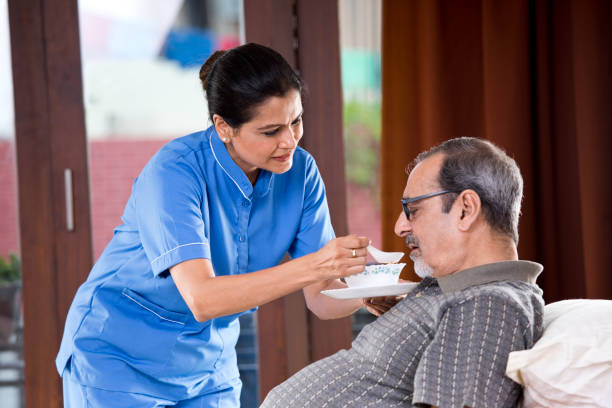
First Aid Awareness for Caregivers and Home Health Aides
Caregivers and home health aides play a vital role in supporting individuals who may be elderly, recovering from illness, living with disabilities, or managing chronic conditions. Their responsibilities often extend beyond daily assistance to include responding calmly and effectively during medical emergencies. First aid awareness is not an optional skill in these roles it is an essential part of providing safe, reliable care. Knowledge gained through a first aid and cpr course equips caregivers with the confidence and judgment needed to act quickly while minimizing risk in critical moments.
Preparedness protects not only the person receiving care, but also the caregiver making decisions under pressure.
Why First Aid Awareness Is Essential in Caregiving Roles
Unlike public settings, home care environments often lack immediate access to medical professionals. When emergencies arise, caregivers are usually the first—and sometimes the only—responders until help arrives.
First aid awareness helps caregivers:
- Respond promptly to sudden illness or injury
- Reduce the severity of complications
- Maintain safety while waiting for emergency services
- Prevent panic from escalating the situation
- Protect their own physical and emotional well-being
Awareness turns responsibility into capability.
Understanding the Unique Risks in Home Care Settings
Home environments present distinct challenges. Slips, falls, medication issues, and sudden health changes are more common in private residences than in controlled clinical spaces.
Caregivers must remain alert to:
- Mobility limitations
- Environmental hazards
- Medication side effects
- Changes in mental status
- Signs of infection or distress
Recognizing these risks early allows for faster and safer intervention.
Responding to Falls and Mobility-Related Injuries
Falls are one of the most frequent emergencies encountered by caregivers, especially among older adults. Even when injuries appear minor, improper response can worsen outcomes.
Safe response involves:
- Encouraging the individual to remain still
- Assessing for pain, bleeding, or confusion
- Avoiding unnecessary movement if injury is suspected
- Providing reassurance while monitoring closely
Knowing when not to move a person is as important as knowing how to help them.
Managing Sudden Illness or Medical Episodes
Caregivers often support individuals with complex medical histories. Sudden changes such as fainting, breathing difficulty, or altered consciousness require immediate attention.
Key priorities include:
- Assessing responsiveness
- Observing breathing patterns
- Identifying warning signs of escalation
- Acting quickly without rushing
Early recognition can prevent minor episodes from becoming life-threatening.
Medication Awareness and First Aid Response
Many individuals receiving home care take multiple medications, which can influence how their bodies respond to injury or illness.
Caregivers should be aware that medications may:
- Increase bleeding risk
- Affect alertness or balance
- Mask symptoms of infection
- Interact with dehydration or illness
First aid awareness includes recognizing when symptoms may be medication-related rather than accidental.
Breathing Emergencies and Airway Safety
Breathing difficulties are particularly serious and require calm, immediate action. Conditions such as asthma, infections, or allergic reactions may impair airflow rapidly.
Safe assistance focuses on:
- Keeping the individual upright if possible
- Monitoring breathing effort and rate
- Avoiding anything that may obstruct airflow
- Remaining calm to reduce panic
Airway awareness is a cornerstone of emergency response.
Wound Care and Infection Prevention
Minor cuts and skin injuries can become serious for individuals with weakened immune systems or poor circulation.
Caregivers should prioritize:
- Cleaning wounds promptly
- Protecting injured areas from contamination
- Monitoring healing progress
- Watching for signs of infection
Proper wound care supports healing and reduces the need for further medical intervention.
Recognizing Signs of Infection or Deterioration
Infections may not always present with obvious symptoms, especially in older adults or those with chronic conditions.
Warning signs may include:
- Changes in behavior or alertness
- Fever or chills
- Increased weakness
- Loss of appetite
- Redness or swelling around wounds
Early detection allows for timely medical support.
Communication During Emergencies
Clear communication is essential during medical incidents. Caregivers must relay accurate information while providing reassurance.
Effective communication involves:
- Speaking calmly and clearly
- Explaining actions before taking them
- Asking simple, direct questions
- Observing nonverbal cues
Trust and clarity improve cooperation and safety.
Knowing When to Seek Emergency Help
Caregivers must balance confidence with caution. Not every situation can or should be handled at home.
Emergency help should be sought if:
- Breathing becomes difficult or stops
- The individual becomes unresponsive
- Bleeding cannot be controlled
- Severe pain or confusion occurs
- Symptoms worsen rapidly
Timely escalation can save lives.
Emotional Support After an Emergency
Medical incidents can be emotionally distressing for both caregivers and care recipients. After the immediate situation is resolved, emotional reassurance is critical.
Support includes:
- Offering calm reassurance
- Allowing time for rest and recovery
- Monitoring for delayed symptoms
- Encouraging follow-up care
Emotional stability supports physical healing.
Protecting the Caregiver’s Well-Being
First aid awareness also helps protect caregivers from injury and burnout. Proper techniques reduce strain and prevent unnecessary risk.
Caregivers benefit from:
- Safer physical handling
- Reduced stress during emergencies
- Greater confidence in decision-making
- Clear boundaries during crisis situations
Prepared caregivers are safer caregivers.
The Value of Ongoing First Aid Education
Skills fade if not refreshed. Regular learning ensures caregivers remain confident and current in their response abilities.
Ongoing education supports:
- Updated safety practices
- Faster, more accurate responses
- Reduced hesitation under stress
- Improved outcomes for those in care
Preparedness grows through continuous learning.
Conclusion
First aid awareness is a foundational skill for caregivers and home health aides, directly influencing safety, confidence, and quality of care. From managing falls and breathing difficulties to recognizing infection and responding to sudden illness, informed action makes a critical difference. Understanding risks, communicating clearly, and knowing when to seek professional help all contribute to safer home care environments.