Digital Wardrobes and Virtual Try-On Tools for Smarter Online Fashion Shopping
Key Takeaways
- Digital wardrobe tools help shoppers see what they already own before adding more clothing.
- Virtual previews can support style decisions, but they cannot guarantee fit, comfort, or fabric feel.
- Clear images, size charts, reviews, and return policies remain important parts of an online purchase.
- Uploaded photos may involve personal data, so privacy settings and policies deserve attention.
- The most useful tools encourage intentional shopping rather than impulse buying.
Why Online Fashion Shopping Feels Uncertain
Online stores make it easy to compare styles, colors, and prices from almost anywhere. Still, buying clothing through a screen involves uncertainty. A product image may show an item in carefully controlled lighting, on a model with a different body shape, or styled with pieces that are not included in the purchase.
That is where virtual try on tools can be useful. They give shoppers another way to picture a garment in an outfit or on a reference image before placing an order. The preview is best treated as visual guidance, not as proof that a piece will fit exactly as expected.
Fit, fabric weight, stretch, color tone, and comfort are difficult to judge from a single listing. Even detailed product pages cannot fully recreate the experience of moving in a jacket, sitting in trousers, or feeling whether a knit is too warm for everyday wear.
More choices do not always create more confidence. A better shopping process helps people compare an item with their needs, their personal style, and the clothing already hanging in their closet.
What a Digital Wardrobe Can Do
A digital wardrobe is a visual record of clothing, shoes, and accessories. Some services let users upload photos of their own items, while others allow them to save product images or build outfits from selected pieces. At its simplest, it turns a crowded closet into a searchable collection.
The value comes from making everyday decisions easier. Instead of wondering whether a new shirt matches anything, a shopper can place it beside existing jeans, skirts, jackets, or shoes. That comparison can reveal whether the item fills a genuine gap or repeats something already owned.
Helpful Digital Wardrobe Features
- Photos organized by category, color, season, or occasion.
- Saved outfit combinations for work, travel, events, or casual days.
- Notes about sizing, care instructions, comfort, and wear frequency.
- Wish lists that can be compared with current wardrobe items.
- Filters that make it easier to locate a specific garment quickly.
A wardrobe catalog does not need to be perfect to be useful. Starting with frequently worn basics, favorite outfits, and expensive purchases can provide enough information to improve future buying decisions.
Where Virtual Try-On Fits In
Virtual dressing rooms use digital images, generated visuals, or selected models to create a clothing preview. They can be especially helpful when a shopper is considering an unfamiliar color, a different silhouette, or a complete outfit that would be difficult to imagine from a flat product photo.
A sensible process is to choose an item, review the preview, then compare it with the retailer's measurements, material details, customer feedback, and return terms. The Federal Trade Commission advises online shoppers to review product descriptions and refund policies before buying, especially because return rules and costs can differ between sellers and sale items.
Virtual previews can answer, "Do I like this look?" They are less reliable for questions such as, "Will this waistband feel comfortable?" or, "Will this fabric cling, wrinkle, or stretch the way I want?"
Practical Benefits for Shoppers
Better Outfit Planning
Seeing possible combinations before purchasing can reduce last-minute decisions. A shopper may find that a new blazer works with several outfits already owned, while another option only looks useful with one pair of trousers.
More Confidence With New Styles
Trying a different cut or color digitally can make experimentation feel more manageable. This is useful for shoppers who want to move beyond familiar choices without committing immediately to a style that may not suit their routine.
Fewer Duplicate Purchases
Digital wardrobes make similar items easier to spot. Seeing several nearly identical black tops, sneakers, or cardigans in one place may encourage a pause before another purchase.
More Intentional Shopping
The strongest benefit is not novelty. It is the ability to ask whether an item has a clear purpose, works with existing clothing, and is likely to be worn often enough to justify the cost.
The Limits of Digital Previews
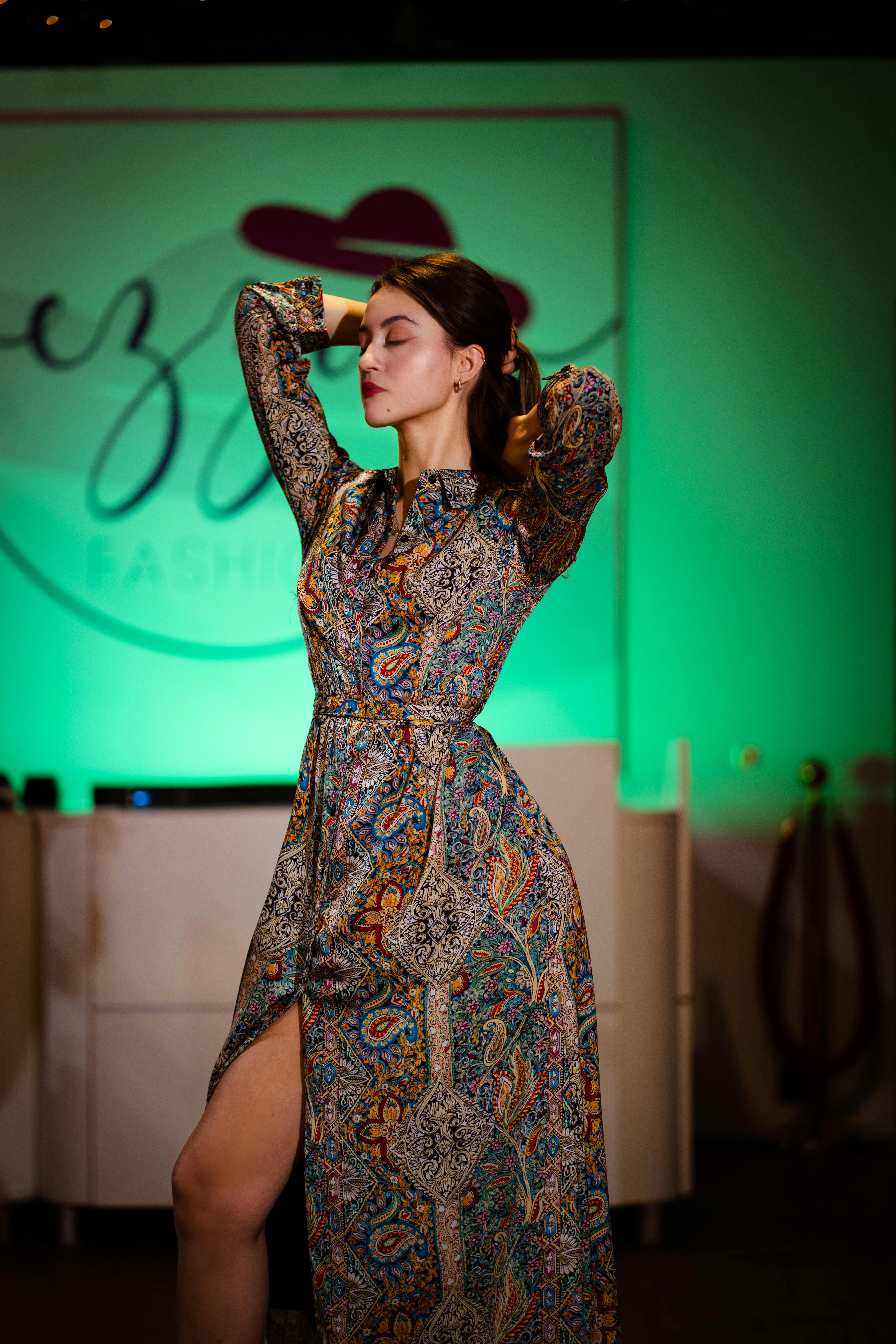
Generated images and virtual overlays are not exact mirrors of real life. The technology may simplify details, alter proportions, or display fabric differently from the physical garment. Flowing dresses, layered outfits, sheer materials, bold patterns, and unusual textures can be particularly difficult to represent consistently.
Color also deserves caution. Screens, lighting conditions, and image editing can make the same garment appear warmer, cooler, brighter, or darker than it does in person. Use a preview as one input among several, rather than the only reason to buy.
How to Get Better Results
Choose Better Reference Images
- Use a clear photo with even lighting and a simple background.
- Keep the full body visible when the tool is designed for full outfits.
- Avoid heavy filters that change skin tone, proportions, or color.
- Use a natural pose that does not hide the shape of the clothing.
Check the Listing Carefully
Use full garment images when possible, then review the fabric composition, measurements, available views, and customer photos. For fitted pieces, compare your own measurements with the retailer's size chart rather than assuming that a visually appealing preview will translate to the right size.
Privacy and Responsible Use
Personal photos can reveal more than clothing preferences. Before uploading an image, read the service's privacy information and look for details about storage, deletion options, sharing, and data use. The FTC notes that shopping apps and websites can collect personal information and encourages people to consider how that information is used, shared, and protected.
Avoid uploading identification documents, private family photos, or images of another person without permission. If a tool allows it, use a cropped photo that provides the needed clothing reference without including unnecessary personal details.
What Comes Next
Digital wardrobes and virtual previews are likely to become more connected. Shoppers may increasingly move from a saved closet to outfit suggestions, product comparisons, and purchase decisions within the same experience. The most useful improvements will be those that make limitations clear, protect user information, and help people make choices that fit their real lives.
Common Questions
Can virtual try-on tell whether clothing will fit?
No. It can provide a general style preview, but it cannot reliably confirm exact sizing, comfort, fabric movement, or how a garment will feel throughout the day.
Is a digital wardrobe worth maintaining?
It can be worthwhile for people who often forget what they own, pack for travel, build work outfits, or want to avoid buying duplicates. It does not need to include every item to be helpful.
Do these tools replace physical fitting rooms?
No. Physical try-ons still offer information that screens cannot provide, including fabric feel, mobility, construction, and immediate sizing feedback.
What clothing is easiest to preview?
Simple tops, jackets, trousers, and complete outfits often provide clearer visual results than highly layered, transparent, oversized, or unusually constructed garments.
Conclusion
Digital wardrobes and virtual try-on tools can make online fashion shopping more thoughtful when used with realistic expectations. They work best alongside size information, detailed product descriptions, reviews, and clear return policies. A better preview may inspire a purchase, but a smarter wardrobe starts with knowing what will genuinely be worn.