Crypto Playgrounds: Where Technology and Imagination Intersect
Every era creates a new kind of artist. In the 21st century, those artists write in code, mint tokens, and build worlds out of algorithms. What once belonged to galleries and studios now lives on chains of data that never sleep. The digital age no longer separates logic from imagination; it turns both into one continuous current of creation.
Today, technology feels less like a tool and more like a stage. Every transaction becomes a brushstroke, and every block records an emotion. You can see it in NFT art, metaverse galleries, and even in exclusive Bitcoin jackpot slots at Coinplay casino, where blockchain turns entertainment into proof of fairness. This is where innovation stops being cold and mechanical — it becomes personal, expressive, and alive.
Beyond Currency — The Cultural Shift of Crypto
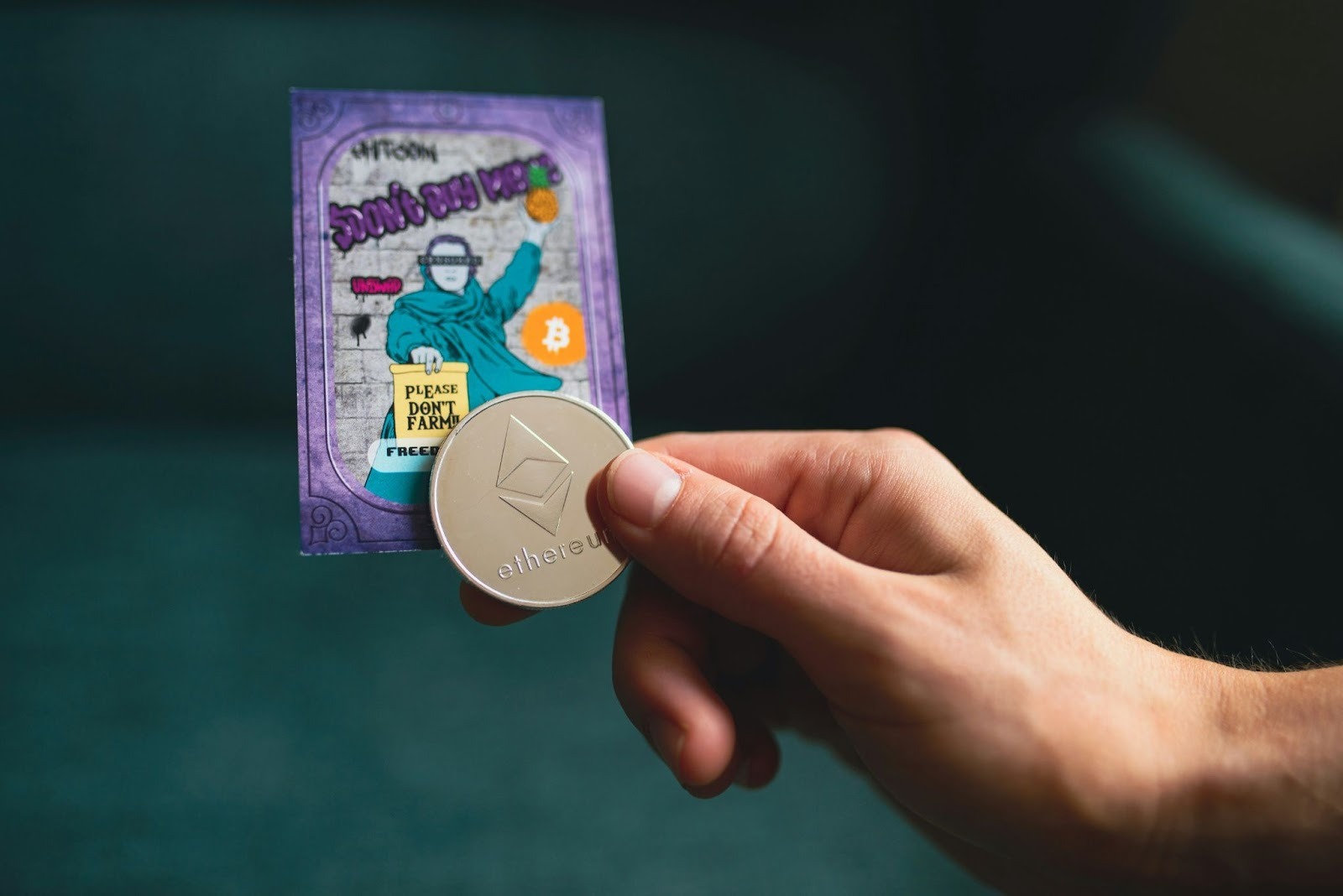
Crypto started as a rebellion against centralized power but evolved into a movement for creative freedom. It became the digital canvas of a generation that values ownership, authenticity, and voice. Coins turned into cultural artifacts. A token now means more than its price — it represents belonging.
People no longer ask what crypto is worth; they ask what it says about them. Musicians release albums as NFTs, digital painters create art that exists nowhere else, and poets tokenize their lines to preserve them on-chain. The blockchain turned finance into storytelling, and every creator became an investor in their own identity.
Even within entertainment, crypto slot games and decentralized apps reflect this cultural shift — they give players agency and prove that participation itself can be a creative act.
The Architecture of Digital Freedom
At its core, blockchain gives creators independence. It removes intermediaries and hands control to the individual, without approval gatekeepers, silent edits, or lost credit. Every piece of content, from a song to a short film, carries its own signature and proof of origin.
Tokens as Modern Signatures
In the physical world, a signature confirms authorship. In the digital one, a token does the same. Artists and developers now leave marks that no one can erase. Each NFT or collectible becomes a timestamp of expression. A token says, “This was mine first.†For poets, designers, or coders, that matters more than applause — it’s digital immortality.
Code With a Soul
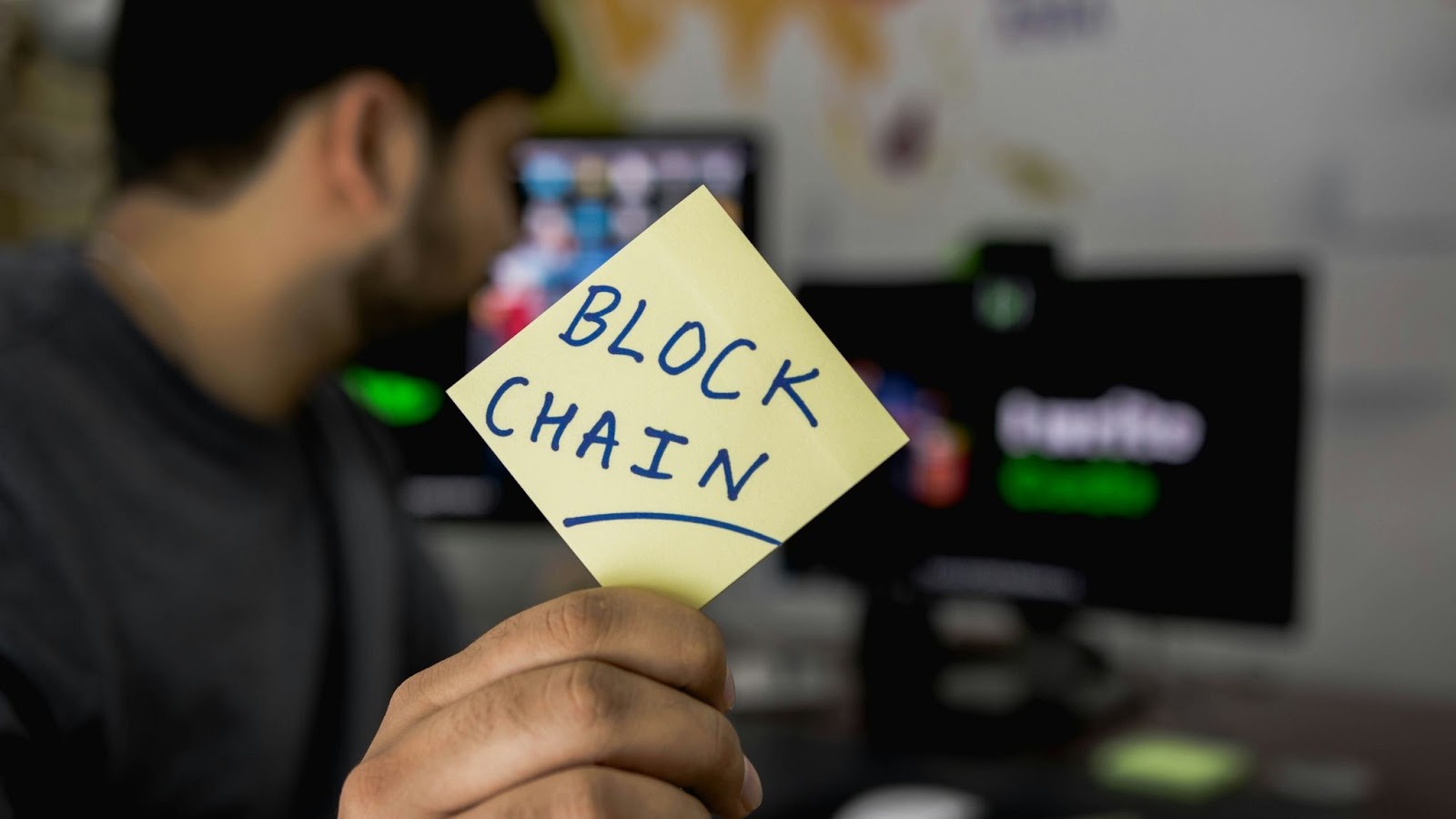
Every system reflects its creator. Behind lines of logic, there is a spark of imagination. Developers don’t just write functions; they build structures that carry intention. Each transaction, each block mined, carries a trace of its maker’s philosophy. Blockchain looks mathematical on the surface but feels emotional beneath. It’s a structure of order animated by conviction, a machine that remembers.
Gaming as the New Frontier of Imagination
Games now function as micro-universes where creativity and technology merge. In these spaces, players don’t follow; they shape outcomes, build economies, and influence stories. The traditional boundaries between developer and participant dissolve. What emerges is an ecosystem where imagination earns value, and skill becomes digital property.
Current gaming trends show how blockchain deepens this evolution. Digital play becomes a form of creation where ownership, reward, and identity intersect.
The Fairness Revolution
Fairness defines the new era of play. Players once relied on luck; now they rely on code that proves luck is real. Blockchain guarantees transparency in every result. Even in decentralized casinos and crypto slot networks, fairness is not a claim — it’s evidence written into the chain. In a world shaped by algorithms, trust is the default setting.
Emotional Architecture — Designing for Feeling
Technology might build the structure, but emotion fills it. Colors, sounds, and motion in virtual environments evoke real sensations. A well-designed digital world makes you pause, reflect, and even care. It does what all great art does — it connects you to something larger.
Avatars as Mirrors of the Self
An avatar isn’t just a character. It’s a translation of identity, a digital version of the person you hope to be. Some users craft their avatars as reflections of truth; others design them as symbols of freedom. Both reveal a deeper pattern — the need to be seen, even in spaces made of pixels. In crypto worlds, people don’t disappear behind screens. They rebuild themselves.
Collaboration Without Borders
Innovation thrives in community. The decentralized web unites creators from every culture and discipline. Code, art, and strategy coexist across languages and time zones. Collaboration defines progress.
How global collaboration takes shape:
- Artists and coders launch hybrid projects that merge poetry, animation, and blockchain.
- Developers across continents build decentralized platforms without ever meeting in person.
- Virtual collectives replace traditional companies and share profits transparently through smart contracts.
- Educators and technologists design metaverse classrooms for global access.
Each of these efforts proves that creativity ignores borders. You don’t need permission or proximity — just shared curiosity and an open channel of communication.
The Playground Never Ends
Crypto playgrounds are not destinations; they are living networks of creativity. Technology built them, but imagination keeps them alive. Every token, every line of code, every visual spark adds another layer to this evolving story.
The world of digital creation no longer separates user from artist or builder from dreamer. Everyone who joins leaves a trace, a voice, a proof of being. The playground never closes because curiosity never sleeps. In this space, the future isn’t waiting; it is already being written one block at a time.