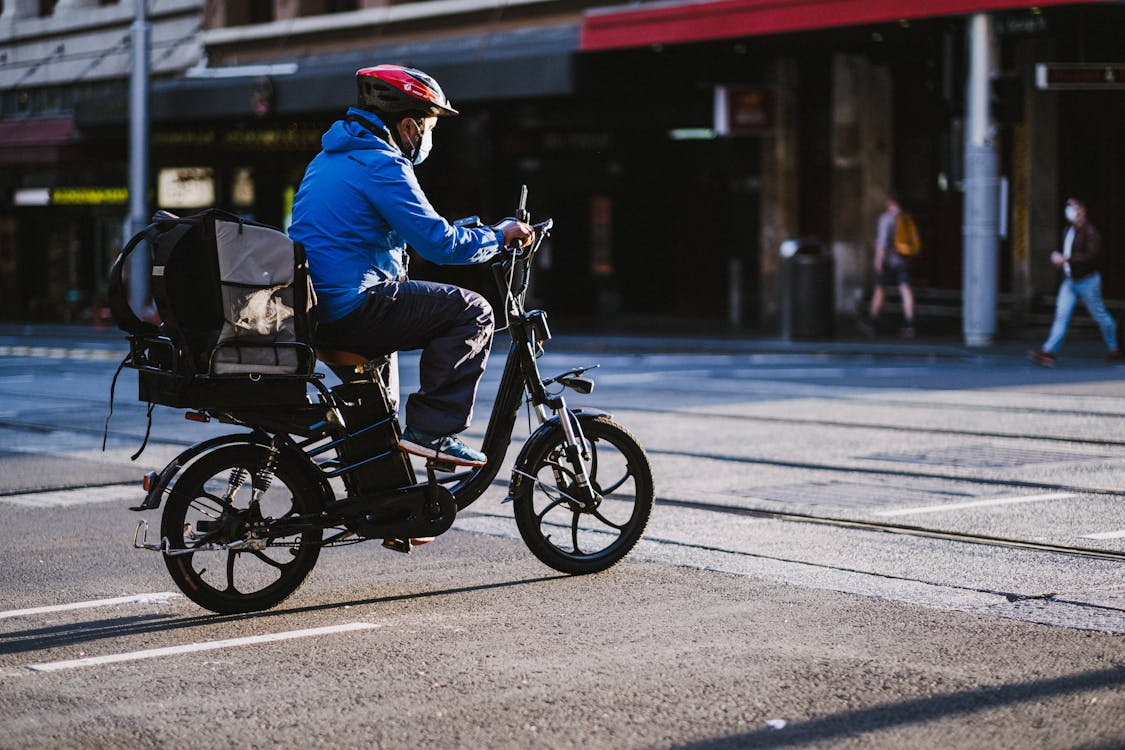
Benefits of Using Ebikes for Daily Travel
Every morning, the same story plays out: busy roads, rising fuel costs, and the stress of getting to work on time. It’s no surprise that people are looking for a better way to travel. That’s where ebikes come in. They’re simple, affordable, and make daily trips easier and more enjoyable.
You still get fresh air and light exercise, but without arriving tired or sweaty. Whether it’s a short ride to the store or a longer commute, ebikes are changing how people move every day. In this blog, we’ll explore why more and more people are making the switch.
Core Electric Bike Benefits for Daily Travel and Commuting
Anyone seriously weighing alternatives to driving or public transit eventually lands on the same question: are e bikes good for commuting? Based on real-world daily use, not ideal conditions, but actual school runs, grocery stops, and morning work trips, the answer is a resounding yes.
Modern e-bikes thread the needle between speed, practicality, and eco-friendly transportation in a way that nothing else quite manages. Not cars, not buses, not standard bicycles. You get schedule control without the headache of parking searches or packed transit cars. That combination matters more than people realize until they've lived it.
Time-Saving Advantages in Real-World Traffic
Here's something regular cyclists know well: stop-start city traffic is exhausting on a standard bike. Pedal assist solves that. Your speed stays consistent, your effort stays manageable, and you arrive without feeling like you've already run a half-marathon.
For trips between 3 and 10 miles, an e-bike frequently beats both driving and transit on pure time, no parking hunt, no standing at bus stops in the rain. Route flexibility adds another layer. Bike lanes, quiet side streets, cut-throughs that cars can't touch, all of it is available to you. Your commute becomes predictable in a way that rush-hour driving never is.
Everyday Cost Savings When You Use an Ebike for Daily Travel
The financial argument for an e-bike for daily travel deserves a closer look, because it surprises most people. Charging a battery costs a matter of cents. Gas costs dollars per gallon, and that's before parking fees, transit passes, tolls, and the occasional rideshare charge when things run late.
A commuter doing 10 miles round-trip each day can realistically save $150–$300 per month after switching from a car. Annualize that, and you've covered the purchase price of a solid mid-range e-bike entirely. It's not a small number.
Health and Fitness Gains from Regular Ebike Commuting
Even with motor assistance, you are still pedaling. Your legs are moving. Your cardiovascular system is working. Research consistently shows that regular cyclists, e-bike riders included, have better heart health and lower stress levels than people who don't cycle.
The mental health dimension is harder to quantify but just as real. Arriving at the office after a calm, breezy outdoor ride is a fundamentally different experience than arriving after sitting in gridlock for 40 minutes. One leaves you energized. The other leaves you already worn out before the workday even begins.
Comfort, Convenience, and Accessibility
The numbers tell a compelling story. But so does the physical experience of riding a modern e-bike, which has genuinely evolved in the last several years.
Daily Comfort Features That Transform Your Ride Experience
Upright geometry, wider tires, and front suspension aren't luxury add-ons anymore; they're standard on commuter-grade e-bikes, and they make a tangible difference on potholed urban streets. Hills and headwinds, historically the two reasons most people quit cycling, stop being obstacles the moment the electric assist kicks in.
Seasoned e-bike commuters often use a simple trick worth stealing: max the assist on the way to work so you arrive clean and fresh, then dial it back on the way home for a legitimate workout. Two different experiences, one bike.
Practical Convenience for Busy Schedules
Door-to-door travel changes things in ways that are difficult to appreciate until you experience them. No parking circuits. No extra walking from a distant lot. Cargo racks, panniers, and child seats turn a single e-bike into a machine that handles school pick-ups, grocery runs, and gym stops across one efficient route.
In North America, e-bikes record an average of 3.9 trips per bike per day, the highest of any shared micromobility option (energy.gov). That number reflects something real: e-bikes fit naturally into busy daily rhythms rather than requiring people to rearrange their lives around them.
Eco-Friendly Transportation Ebike Benefits for Daily Travel
The environmental case is straightforward. Replacing even a few short car trips per week produces a measurable reduction in your personal carbon footprint, and the wins are specific, not abstract.
Smaller Carbon Footprint Compared with Cars
An e-bike uses a fraction of the energy a car requires to cover identical distances. Short car trips under five miles are actually the most fuel-inefficient journeys a vehicle makes, because the engine never reaches operating temperature.
Eco-friendly transportation ebike use addresses exactly these trips, the quick errands and short commutes that quietly dominate most people's driving habits.
Cleaner Air and Quieter Streets
Fewer cars on residential roads translates directly to less exhaust and less noise. It's a benefit you notice immediately, not one that registers only in distant climate projections. Cleaner air near schools, parks, and neighborhoods is a quality-of-life improvement that compounds over time.
Final Thoughts on Ebike Commuting
The advantages of electric bicycles hold across every dimension that matters to a working professional: time efficiency, financial savings, physical health, environmental responsibility, and day-to-day convenience.
Whether the commute is three miles to a downtown office or a longer suburban stretch, a well-chosen e-bike handles it reliably and, frankly, enjoyably.
The switch doesn't require overhauling your entire lifestyle. It requires trying it once, with genuine intention. Most riders who do that don't look back. Sitting in traffic starts to feel like the outdated option, because it is.
Frequently Asked Questions
Can an e-bike realistically replace my car for daily travel?
For trips under 15 miles, yes, particularly when cargo accessories are part of the setup. Many riders end up replacing a second household vehicle entirely after a few months of consistent e-bike use.
Will I still get exercise if the motor assists me?
Absolutely. Pedal assist supplements your effort; it doesn't replace it. Regular e-bike riders show measurable cardiovascular improvements compared to people who drive or sit on public transit.
Are e-bikes safe in city traffic?
Yes, with the right equipment and approach. Disc brakes, integrated lighting systems, and wider tires give modern e-bikes strong urban safety credentials. Riding predictably and confidently matters more than raw speed ever will.