Are Whole House Generators a Smart Choice for Older Homes?
Reliability becomes increasingly important in older homes, where aging wiring and legacy building methods can make power outages more disruptive than expected. Many households in older properties already manage careful routines around heating, refrigeration, and lighting, all of which are vulnerable when electricity is lost. While whole house generators promise stability, older homes also present unique technical and structural challenges that deserve careful consideration. Understanding both sides helps homeowners avoid unnecessary risk or expense. In this article, the practicality of whole house generators for older homes is examined through everyday living needs and realistic installation scenarios.
1. The Clear Benefits for Older Properties
Protecting Vintage Systems and Appliances
Older homes often contain appliances and systems that were not designed for frequent power interruptions. Heating boilers, sump pumps, and even older refrigerators can suffer wear when outages occur without warning. A whole house generator helps maintain steady power, reducing stress on these systems during sudden shutdowns. This stability can prevent damage that is costly or difficult to repair due to limited replacement parts. Over time, protecting existing equipment becomes one of the most tangible benefits.
Ensuring Safety and Comfort During Outages
Power outages in older homes can quickly affect safety and comfort. Limited insulation, narrow staircases, and older lighting layouts make darkness and temperature changes more challenging. A generator helps keep essential lighting, heating, or cooling active, supporting daily routines during outages. For households with older residents, stable power can reduce risks related to cold, heat, or poor visibility. Comfort and safety often overlap more closely in aging properties.
2. Key Challenges and Considerations
Assessing the Electrical System's Capacity
While many older homes were not originally built to handle today's electrical load, this does not prevent them from benefiting from a reliable backup power system. The key is to start with a professional evaluation of your existing panel, wiring, and grounding. This assessment ensures that a generator can be integrated safely—without risking overloads or faults—and clarifies which circuits are most critical to power during an outage. By upgrading only what is necessary, you can confidently support daily essentials like lighting, refrigeration, and heating, transforming an older electrical system into a resilient modern asset.
Navigating Historical or Structural Limitations
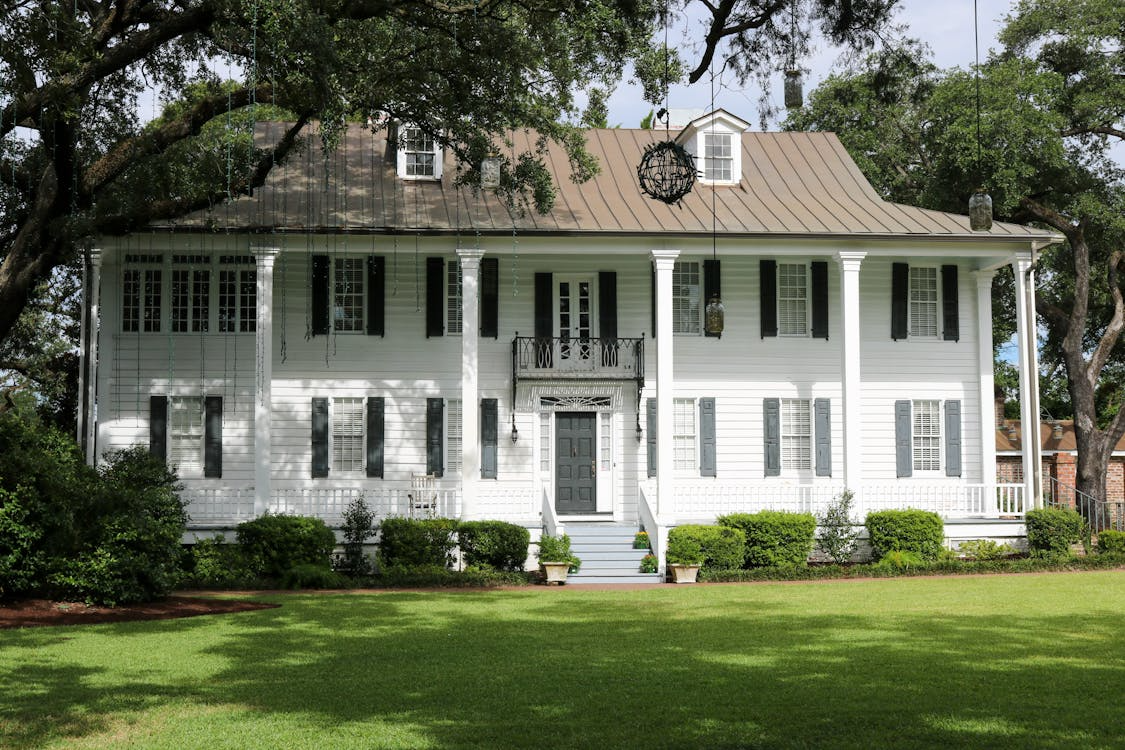
Older and historically styled homes often come with unique architectural features that require thoughtful installation planning. Although exterior placement may be restricted and wiring pathways limited, these constraints can be creatively addressed without compromising the home's character. With careful design, generators can be placed discreetly and wiring routed respectfully, balancing preservation with practicality. This approach ensures that enhancing your home’s resilience does not detract from its heritage—instead, it adds a layer of modern reliability that honors the past while securing your comfort.
3. Essential Pre-Installation Steps
A Professional Electrical Evaluation
A professional electrical evaluation is especially important for older properties. Electricians can identify aging components, capacity limits, and necessary upgrades before installation begins. This step reduces surprises and helps avoid partial solutions that fail under real outage conditions. It also clarifies whether full-home or partial backup is more appropriate. Clear information leads to better long-term decisions.
Planning for Fuel Source and Placement
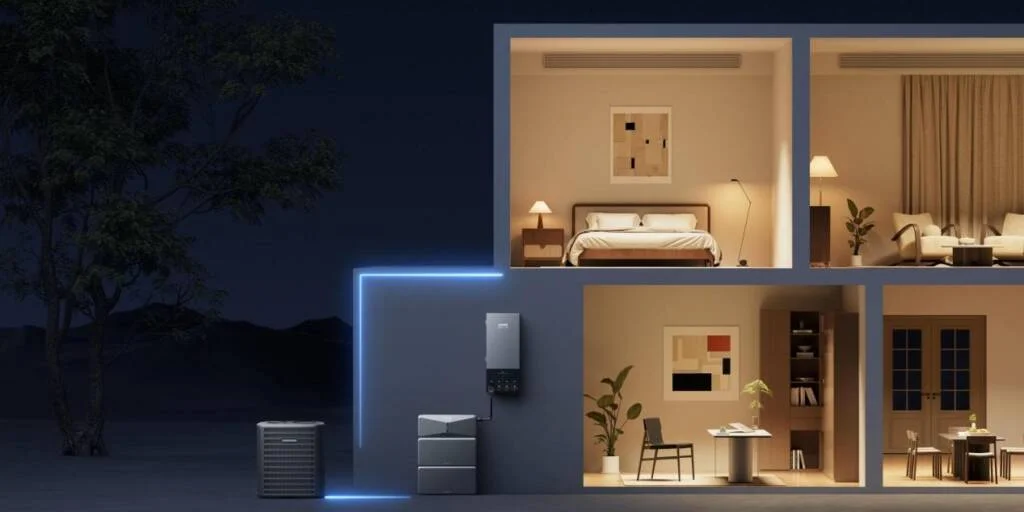
Fuel choices and equipment placement in older homes are often limited by space, ventilation, and access. Modern energy solutions like the Anker SOLIX E10 Power Module can help overcome these constraints. Its compact, mountable design (26.4 × 11.8 × 10.2 in) adapts well to tight or historically sensitive spaces, while delivering up to 7.6kW of continuous split-phase power to smoothly integrate with older electrical systems. With built-in energy management and safety certifications, it reduces installation complexity and provides reliable backup power—making it a practical and respectful choice for upgrading older homes.
4. Cost and Value Implications
Potentially Higher Installation Costs
Installation costs for older homes are often higher due to necessary upgrades and custom solutions. Electrical panel replacements, structural adjustments, and additional labor can add to the budget. These costs may seem discouraging at first. However, many upgrades improve overall electrical safety beyond generator use. Seen as a broader home improvement, the investment can feel more justified.
Impact on Insurance and Home Value
Backup power can influence how an older home is viewed by insurers and buyers. Reduced outage risk may improve insurability, particularly for homes with critical systems. From a resale perspective, a generator can signal careful maintenance and modernization. In some setups, integrating a safe connection point such as the Anker SOLIX Smart Inlet Box, which supports up to 100A of continuous current and 120V/240V split-phase voltage, can further reassure inspectors by enabling secure and automatic power switching. These factors can subtly enhance confidence in an older property.
5. Making the Final Decision
Weighing Needs Against Practical Constraints
Not every older home requires a full whole house generator. The right choice depends on outage frequency, daily routines, and system limitations. Some households only need to support heating, refrigeration, and lighting. Others may prioritize broader coverage for comfort. Matching actual needs to realistic constraints prevents overinvestment.
Exploring Alternative Backup Power Options
Alternative backup solutions can sometimes suit older homes better than full-scale generators. Partial backup systems or battery-supported setups may integrate more easily with existing wiring. These options often allow gradual upgrades rather than major retrofits. Flexibility is valuable when working with aging infrastructure. A staged approach can balance reliability with practicality.
Conclusion
Whole house generators can be a smart choice for older homes when benefits and challenges are weighed carefully. Protection of aging systems, improved safety, and everyday comfort are meaningful advantages. At the same time, electrical capacity, structural limits, and higher costs must be addressed thoughtfully. With proper evaluation and planning, backup power can enhance reliability without compromising the character of an older property.