Preventing Common Plumbing Emergencies at Home
Key Takeaways
- Inspections and routine maintenance are your best defense against major plumbing issues.
- Improper disposal of waste is a leading cause of clogs and blockages know what not to flush or pour down the drain.
- Knowing how to shut off your water supply quickly can reduce damage in a crisis.
- Water pressure thats too high stresses pipes and fixtures, increasing the risk for leaks.
- Seasonal preparation, including insulating pipes, is crucial for protecting plumbing from weather related issues.
Homeowners often face abrupt disruptions from plumbing emergencies, resulting in stress and expensive repairs. Fortunately, there are steps you can take to protect your home and avoid such predicaments. By prioritizing routine checks, adopting safe disposal habits, and remaining prepared, you can prevent many of the most common plumbing disasters. If you do experience a problem, securing prompt, affordable plumbing in Westminster can help you resolve issues swiftly and minimize damage.
Most plumbing emergencies are avoidable with consistent care and informed habits. Understanding your plumbing system, recognizing warning signs, and responding promptly to potential issues are all essential in safeguarding your property and minimizing repair costs.
Regular Inspections and Maintenance
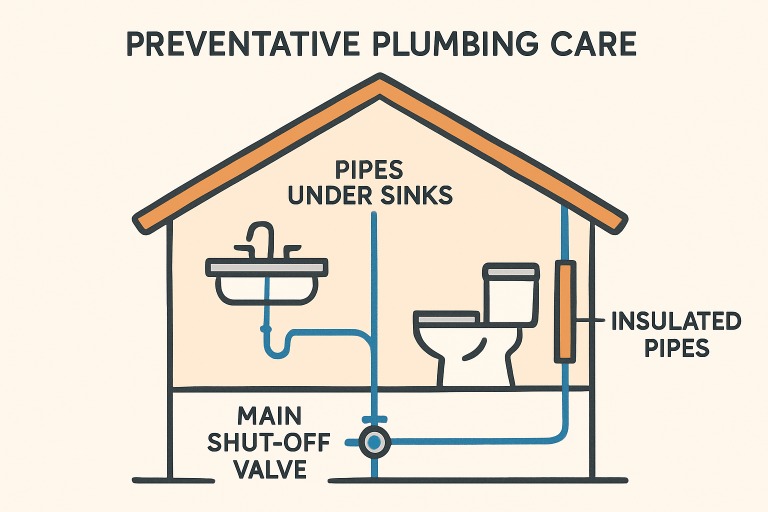
Vigilance is crucial for detecting small plumbing issues early. Set aside time every few months to inspect all visible pipes, as well as faucets, under sink areas, and fixtures for leaks, rust, or any signs of corrosion. Watch for unexplained water stains on walls, ceilings, or cabinetry, as these often indicate a hidden leak. If you notice any dampness or mildew smells, investigate immediately. Hiring a professional plumber for annual inspections is also wise experts can spot early signs of trouble that homeowners may overlook, and provide actionable advice on addressing weak points in your system.
Proper Disposal Practices
The most costly blockages and backups stem from improper waste disposal. Never flush wipes, sanitary items, or cotton swabs, even those labeled as “flushable.†In the kitchen, grease and cooking oils should be discarded in the trash, not the sink. Over time, these substances harden and accumulate debris within the pipes, resulting in stubborn clogs. Using small mesh drain screens in sinks and tubs can trap hair, food scraps, and other debris, dramatically reducing the risk of a blockage.
Know Your Main Water Shut Off Valve
If a major leak or burst pipe occurs, quick action can limit the damage to your property. Locate your main water shut off valve commonly found near where the water supply enters your house and make sure every adult in the home knows how to operate it. Instruct family members on how to shut off the valve quickly, as this can significantly reduce water damage from a plumbing emergency. Consider labeling the valve for quick identification during a stressful situation.
Monitor Water Pressure
High water pressure can silently undermine your entire plumbing system, leading to leaks, joint failures, and even bursts. Investing in a simple pressure gauge allows you to track your homes water pressure. Ideal residential pressure typically falls between 40 and 60 psi, while anything above 80 psi can be hazardous. If your pressure is high, installing a pressure regulator is crucial. Periodically test your pressure, especially after any plumbing upgrades or work is done that might affect water delivery.
Seasonal Preparations
Weather changes can put unique stress on your pipes. In winter, freezing temperatures can cause uninsulated pipes especially those in basements, crawl spaces, or exterior walls to burst. Wrap vulnerable pipes in foam insulation or heat tape to protect them from freezing. In the fall, disconnect garden hoses and shut off outdoor taps to prevent water expansion and pipe cracks. In the spring and summer, inspect exposed and underground lines for damage that may have occurred during the cold months. Routine seasonal checks will help ensure your plumbing remains robust throughout the year, regardless of the weather.
Emergency Preparedness
Even well maintained plumbing systems can encounter sudden issues. Equip yourself with basic plumbing tools, like a sturdy plunger, adjustable wrench, and plumbers tape. Keep the contact details of a skilled, licensed plumber readily accessible in case you need fast assistance. Developing an emergency response plan with your household ensures that everyone knows what to do and whom to contact in the event of an emergency. Being prepared can mitigate the financial and emotional impact of a plumbing crisis.
Conclusion
With regular care, mindful habits, and a readiness to respond quickly, you can protect your home from the most common plumbing emergencies. Remember: proactive upkeep, proper disposal, awareness of your plumbing fixtures, and seasonal attention are the pillars of a resilient plumbing system. By implementing these strategies and staying prepared, you will gain peace of mind, minimize costs, and preserve the comfort of your living space.
Regular maintenance is key to avoiding unexpected plumbing issues. By routinely checking for leaks, ensuring drains are clear, and inspecting pipes for wear, homeowners can prevent many common problems. For those in the Pacific Northwest, it's wise to consider local expertise. If you're looking to start plumbing services in Vancouver WA, connecting with professionals who understand the unique challenges of the region can be invaluable. They can offer tailored advice and solutions, ensuring your plumbing system remains efficient and reliable. This proactive approach not only saves money in the long run but also provides peace of mind, knowing that your home is well-protected against potential water damage.