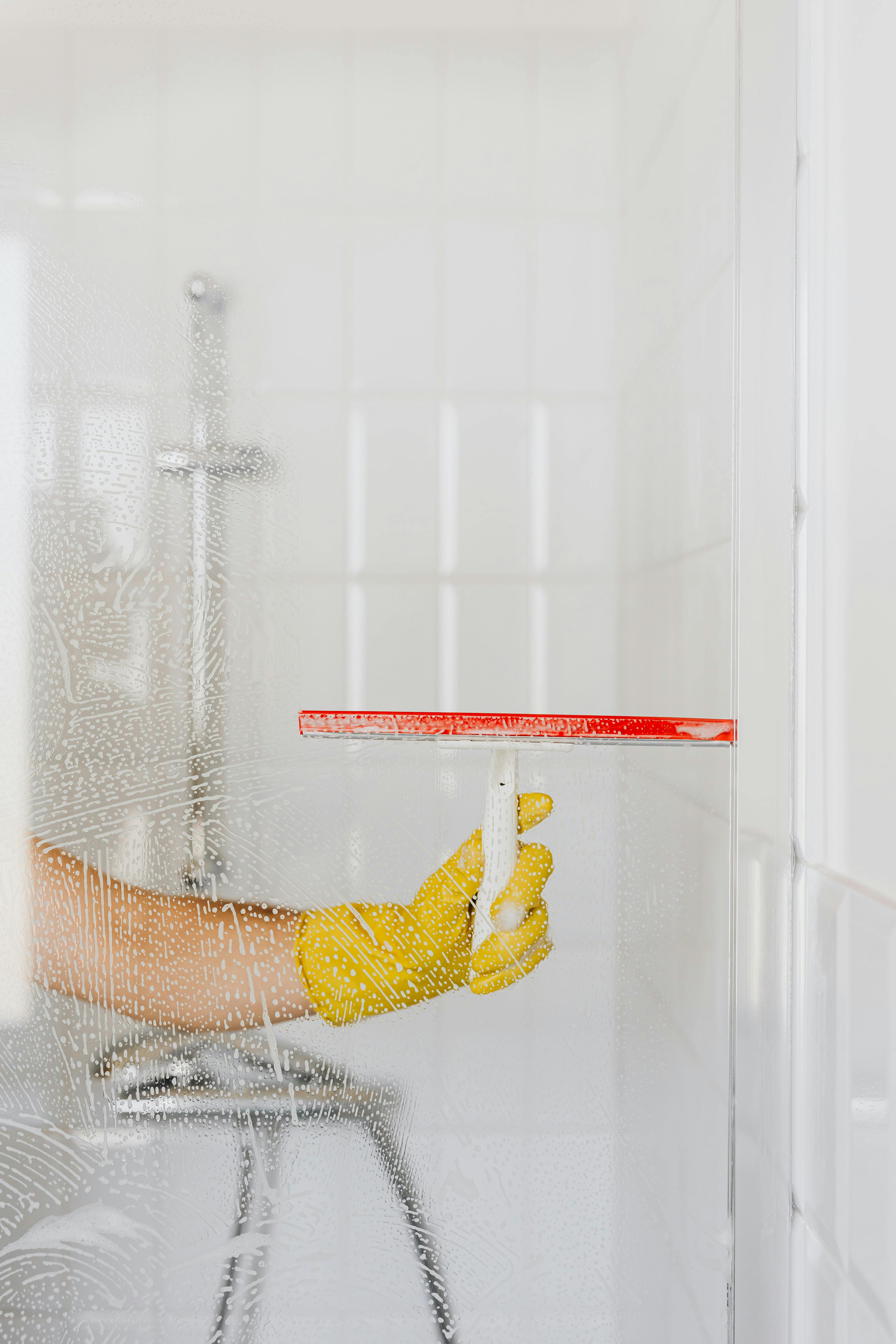
DIY Glass Restoration 4 Things to Consider
Understanding Glass Damage Types
Got glass damage? Let's get to know what you're dealing with first. The most common culprit you'll encounter is surface scratches, those pesky marks you can feel with your fingernail but aren't too deep. Then there's the more challenging deep scratches that really dig into the glass surface, requiring some serious attention. You might also spot those frustrating water spots and mineral deposits, which show up as stubborn whitish clouds that regular cleaning just won't budge. And don't forget about oxidation damage, it's that mysterious rainbow effect that seems to mock your everyday cleaning efforts. Getting familiar with these different types of damage is key to choosing the right fix for your specific situation.
Essential Tools and Materials
Ready to tackle that glass restoration? You'll need to gear up with the right tools first. Start with a comprehensive glass restoration kit that includes polishing compounds ranging from coarse to ultra-fine, think of them as different grades of sandpaper for glass. Those microfiber polishing pads are absolute must-haves since they'll help you apply compounds without adding more scratches to your headaches. You'll also want a variable speed polisher or buffer in your arsenal, because different types of damage need different polishing approaches. Don't even think about skipping the safety gear, protective glasses, gloves, and dust masks are non-negotiable. And make sure you've got plenty of clean microfiber towels, spray bottles filled with distilled water, and appropriate cleaning solutions at the ready.
Assessing Project Feasibility
Before diving into any glass restoration project, it's smart to take a step back and evaluate whether it's truly a DIY-worthy task. While using quality products like ShopDFI Glass protectant can help maintain and restore clarity to treated surfaces, some damage might be better left to the pros. Take a good look at your glass thickness, thinner pieces might not handle aggressive polishing well. Run your fingernail over those scratches, if it catches deeply, you might want to reconsider the DIY route. Location matters too, damage near edges or stress points could spell trouble if not handled correctly. It's worth comparing the time and money you'll spend on materials against professional service costs to make sure you're making the right choice.
Proper Technique and Application
Success in glass restoration isn't just about having the right tools; it's about knowing how to use them properly. Always start gently and work your way up to more aggressive methods only if needed. Think of it like cooking, you can always add more heat, but you can't undo overcooking. Start by giving the glass a thorough cleaning to remove any loose bits and grime. Then, work your polishing compounds in small, manageable sections using consistent patterns. Keep an eye on your polisher's pressure and speed to avoid any heat damage or uneven results. Regular progress checks are essential; they'll help you avoid that dreaded over-polishing that can distort your glass.
Safety and Environmental Considerations
Glass restoration, safety isn't just a suggestion, it's absolutely essential. Make sure you're working in an area with plenty of ventilation to avoid breathing in any nasty particles or chemical fumes. Be responsible with your waste disposal too, those polishing residues and chemical compounds need proper handling, not a quick trip down the drain or into the regular trash bin. Keep the work area strictly off-limits to kids and pets since those tiny glass particles can be particularly dangerous. And why not consider eco-friendly restoration products? They're often just as effective and much kinder to our environment. These are a few ways to improve your overall cleaning environment.
Conclusion
Taking on a DIY glass restoration project can be incredibly satisfying when you approach it the right way. Success boils down to understanding what you're up against, having the proper tools ready, making honest assessments about what you can handle, using the right techniques, and keeping safety in mind throughout the process. While many glass restoration projects are perfectly suitable for DIY enthusiasts, there's no shame in calling in the professionals when needed. Armed with these considerations, you're now better equipped to make smart choices about your glass restoration projects and achieve those crystal-clear results you're after.